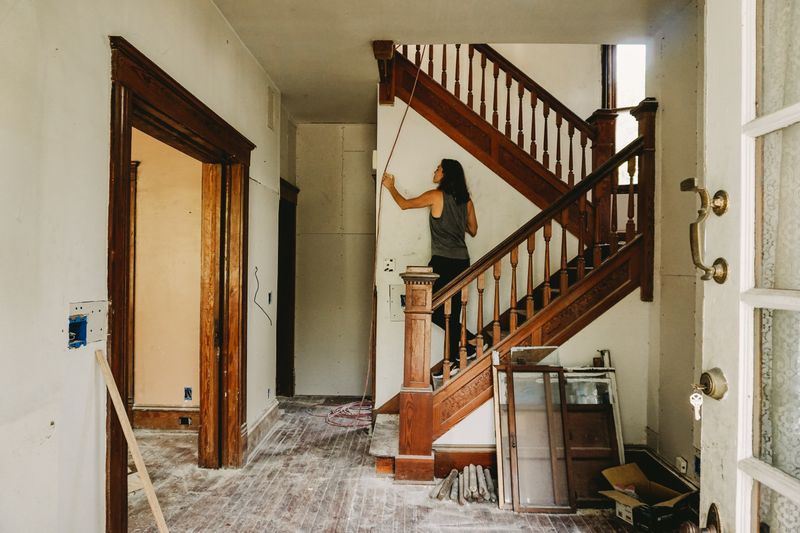
Embarking on a major home renovation is a journey that transforms not just a physical structure, but the very way you experience your daily life. It is an ambitious undertaking that blends architectural vision with logistical precision. Whether you are breathing new life into a historic property or expanding a modern space to accommodate a growing family, the success of such a project hinges entirely on the quality of your preparation. A massive dream can quickly turn into a stressful ordeal without a roadmap that accounts for everything from structural integrity to long-term financial protection.
The following guide is designed to walk you through the complexities of large-scale residential projects. We will explore how to balance the aesthetic desires of your heart with the technical requirements of local building codes. By the end of this deep dive, you will have a comprehensive understanding of how to manage professionals, prioritize safety, and ensure that your investment is protected for decades to come.
Assessing the Scope and Setting a Realistic Budget

Before a single hammer swings, you must define the boundaries of your project. A major renovation often starts with a single room but quickly bleeds into adjacent spaces. To prevent “scope creep,” start by categorizing your needs versus your wants. This stage requires an honest look at the bones of the building. Often, what starts as a cosmetic update reveals structural needs that must be addressed before any aesthetic work can proceed.
-
The “Must-Haves”: Structural repairs, updated wiring, and roof integrity.
-
The “Should-Haves”: Energy-efficient windows, improved insulation, and layout adjustments.
-
The “Wish List”: High-end finishes, smart home integration, and luxury fixtures.
When you sit down with a home builder, they will need a clear understanding of these priorities to provide an accurate estimate. It is a common mistake to focus solely on the cosmetic finishings while ignoring the underlying systems. If you are adding a second story or extending the footprint of the house, the home construction phase will likely consume a significant portion of your total budget. Always set aside a 15% contingency fund for the inevitable surprises that lie behind old drywall.
Designing for Functionality and Workflow
The layout of your home dictates the rhythm of your morning and the comfort of your evenings. This is particularly true in high-traffic areas where multiple people interact simultaneously. Effective design isn’t just about picking out paint colors; it’s about spatial geometry and ergonomics. If the floor plan doesn’t support the way you actually live, no amount of expensive marble will make the renovation feel like a success.
Consider the “Work Triangle” in the kitchen, but also consider how the home flows into the living and dining areas. Professional kitchen design services can help you visualize how cabinetry, appliances, and islands will interact to create a cohesive environment. If you are moving walls to create an open-concept feel, you will likely need a home remodeling service to ensure that the load-bearing requirements are met while achieving the aesthetic you desire.
-
Analyze foot traffic patterns to avoid bottlenecks in hallways and entries.
-
Ensure there is ample natural light through strategic window placement and skylights.
-
Plan for storage solutions that are integrated into the architecture rather than added as afterthoughts.
Navigating the Infrastructure of Power and Connectivity
Modern homes demand significantly more power than those built even twenty years ago. Between electric vehicle chargers, high-end kitchen appliances, and extensive home office setups, your existing electrical panel may be insufficient. Modern lifestyles require a “digital backbone” that is just as important as the plumbing.
During the “rough-in” phase of your project, it is vital to have a licensed electrician evaluate your service entrance and panel capacity. This is the best time to run data cabling for stable internet, install dedicated circuits for heavy-duty appliances, and place outlets in convenient locations like kitchen islands or closet interiors. Working with a reputable home remodeling service during this stage ensures that all technical upgrades are integrated seamlessly into the wall cavities before the finishing work begins, preventing the need for surface-mounted conduits later.
Optimizing Indoor Climate and Air Quality

A beautiful home is uncomfortable if it is drafty in the winter or stifling in the summer. A major renovation provides the perfect opportunity to overhaul your HVAC system. Modern units are significantly more efficient than older models, but they require properly sized ductwork to function correctly. Without the right airflow, even the most expensive unit will fail to provide consistent comfort.
When planning your climate control, consider the following:
-
Zoned Systems: Allow you to cool or heat different areas of the house independently based on occupancy.
-
Air Filtration: High-MERV filters and UV light purifiers can drastically improve respiratory health by removing allergens.
-
Thermostat Placement: Ensure sensors are located away from direct sunlight or drafty doors for accurate readings.
Engaging professional home ac services early in the design process allows the installers to hide ductwork within the new architectural features rather than using unsightly bulkheads later. This coordination ensures that your heating and cooling needs are met without sacrificing ceiling height or aesthetic clean lines.
Managing Exterior Water and Foundation Protection
Water is the primary enemy of any residential structure. A major renovation often involves changing the roofline or the slope of the land surrounding the house. If water isn’t moved away from the foundation effectively, you risk mold, rot, and structural shifting that can cost thousands to repair later. Protecting the exterior envelope is just as critical as the interior finish.
Most homeowners overlook the importance of drainage until it is too late. Consulting with gutter companies is a critical step in the exterior phase of your project. They can help design a system that handles the increased runoff from a larger roof surface or a new addition. This includes oversized downspouts and underground drainage tiles that carry rainwater far from your basement walls. By prioritizing these often-ignored details, you protect the high-end finishes inside your home from the devastating effects of water damage.
Expanding the Living Space into the Outdoors
In the modern real estate market, the backyard is treated as a true extension of the living room. Creating a functional outdoor space requires the same level of planning as an interior room, including considerations for weather resistance, weight loads, and utility access. Outdoor living is no longer just about a patch of grass; it’s about creating a destination.
If your vision includes a multi-level transition from the house to the yard, you should hire a specialized deck contractor. They understand the specific requirements for footings, ledger board attachments, and railing safety codes that standard carpenters might overlook.
-
Material Choice: Decide between the natural beauty of cedar or the extreme longevity of composite.
-
Integration: Plan for outdoor kitchens, gas fire pits, or hot tub supports during the initial framing.
-
Lighting: Hardwired LED stair and post lights increase safety and ambiance after the sun goes down.
Mitigating Risk and Updating Legal Protections

A renovation significantly increases the value of your asset, which means your old insurance policy is likely outdated the moment the project is finished. Furthermore, the construction phase itself introduces new risks, such as worker injuries, material theft, or damage caused by extreme weather during the build. Risk management is a cornerstone of professional project oversight.
Before the work begins, verify that all contractors have their own liability insurance and workers’ compensation. Once the project is complete, you must contact your agent to update your property insurance policy. If you fail to report the upgrades, you might find yourself underinsured in the event of a fire or natural disaster.
-
Update your “Replacement Cost” value to reflect the new square footage and high-end finishes.
-
Document the renovation with a detailed video walkthrough and copies of all receipts and contracts.
-
Check if your policy covers “Builders Risk” during the actual construction period to protect materials on-site.
Enhancing Comfort and Sustainability Through Advanced Insulation
One of the most impactful but least visible aspects of a deep renovation is the thermal envelope of the building. When you open up the walls during a large project, you have a golden opportunity to move beyond standard fiberglass batts and explore superior insulation methods like spray foam or mineral wool. These materials do more than just keep you warm; they act as a secondary barrier against moisture and outside noise, creating a sanctuary-like quietness within the home.
The efficiency of your home is a holistic system. While high-quality windows are important, they cannot compensate for a poorly insulated attic or crawlspace. During the framing stages, work with your home builder to identify thermal bridges—areas where heat escapes through the wood studs themselves. By applying exterior rigid foam or advanced sealing techniques during the home construction phase, you can reduce your energy bills by a significant margin. This proactive approach ensures that your mechanical systems don’t have to work nearly as hard to maintain a consistent temperature.
Integrating Smart Technology and Future-Proofing
In the current era of residential design, a home is only as good as its connectivity. We are moving toward an environment where every appliance, from the refrigerator to the water heater, is part of a digital ecosystem. Planning for this during a renovation prevents the need for messy and expensive retrofitting down the road. This involves more than just buying a smart thermostat; it requires a robust backbone of data cabling and integrated controls.
You should consult with an electrician about installing a “smart panel” that allows you to monitor energy consumption in real-time. This level of oversight can help you identify phantom power draws and optimize your usage patterns. Furthermore, if you are working with a home remodeling service on a basement or media room, consider the placement of hidden conduits. These empty pipes allow you to pull new types of fiber or data cables through the walls in ten or twenty years without ever having to cut into your drywall again.
-
Charging Stations: Install high-voltage outlets in the garage for electric vehicles now, even if you don’t own one yet.
-
Mesh Networks: Hardwire access points in the ceiling to ensure 100% Wi-Fi coverage across the property.
-
Security: Integrate hardwired cameras and smart locks into the initial wiring plan for better reliability than battery units.
Maximizing Vertical Space and Custom Storage Solutions
As the cost of square footage rises, the ability to utilize vertical space becomes a hallmark of intelligent design. A major renovation is the perfect time to look at “dead spaces”—the areas under stairs, high up in vaulted ceilings, or between wall studs—and convert them into functional storage. Custom cabinetry and built-in shelving can eliminate the need for bulky furniture, making even a modest room feel expansive and organized.
In the culinary heart of the home, this philosophy is essential. When finalizing your kitchen design, think about specialized pull-outs for spices, hidden charging drawers for electronics, and floor-to-ceiling pantry systems. A high-end home remodeling service can create seamless, “invisible” storage that blends into the woodwork, maintaining a minimalist aesthetic while providing maximum utility. By planning these details early, you ensure that every square inch of your renovated home serves a specific purpose and remains clutter-free.
Finalizing the Mechanical Integrity of the System
Before the final inspection and the closing of the permits, a comprehensive stress test of all mechanical systems is required. This is the moment where the theoretical design meets the practical reality of daily use. You want to ensure that when the dishwasher is running, the shower doesn’t lose pressure, and when the oven is on, the cooling system compensates immediately. Verification is the final step in quality control.
It is wise to have a final “commissioning” session with your home ac services provider. They can balance the dampers in your ductwork to ensure that airflow is even across all floors, preventing the common “hot room” syndrome found in many multi-story homes. Simultaneously, ensure your property insurance provider is aware of these mechanical upgrades, as modern, high-efficiency systems often qualify for premium discounts. This final layer of verification provides the peace of mind that your home is not just new, but high-performing.
Safeguarding the Exterior Infrastructure
The longevity of your home’s facade is heavily dependent on how it interacts with the elements. Beyond the siding and paint, the mechanical management of debris and runoff is what prevents long-term decay. While most people think of gutters as a simple add-on, they are actually the primary defense mechanism for your exterior window casings and door frames. A failure here can lead to rot that remains hidden for years.
When you engage with gutter companies, ask about integrated leaf guard systems and high-capacity scuppers, especially if your home has complex roof valleys. This is also the ideal time to coordinate with your deck contractor to ensure that any ledger boards are properly flashed. Flashing is the thin layer of metal that prevents water from seeping behind the wood and rotting the house frame. These small, technical intersections between different trades are where the most common home failures occur, so diligent oversight during this phase is paramount to the project’s long-term success.
Maintaining Your Investment for Future Generations
Once the dust has settled and the contractors have left, your job shifts from project manager to caretaker. A major renovation involves complex systems that require regular maintenance to reach their full lifespan. Neglect is the quickest way to see your investment depreciate. By staying on top of the small things, you avoid the massive repairs that often plague older homes.
Develop a seasonal maintenance schedule to keep everything in top shape:
-
Quarterly: Change HVAC filters and check the breaker panel for any signs of heat or loose connections.
-
Bi-Annually: Inspect the drainage systems to ensure no debris is blocking the flow of water away from the walls.
-
Annually: Power wash and seal any wood surfaces to prevent graying, splintering, and rot.
By staying proactive, you ensure that the “new” feeling of your home lasts for decades. Regular check-ins with your service providers can prevent a mid-summer breakdown, and keeping an eye on your exterior ensures the structural work remains sound. Your home is now a fine-tuned machine that requires specific care to operate at its peak.
Finalizing a home renovation of this magnitude is a landmark achievement. It represents a significant investment of time, money, and emotional energy. By following a structured approach—starting with a solid structural plan, moving through technical infrastructure, and finishing with meticulous detail and insurance updates—you create a space that is not only beautiful but safe and sustainable. The key to a successful renovation is never found in a single “silver bullet” solution, but in the careful coordination of many specialized professionals working toward a single, unified vision. Your home is your sanctuary; treat its transformation with the respect and diligence it deserves. With the right planning, the results will serve you and your family for a lifetime.