
Water is one of the most destructive forces a property owner can face. While fire causes sudden and obvious devastation, moisture often works quietly behind walls, beneath floorboards, and around structural foundations before anyone notices a problem. The financial toll of catastrophic moisture intrusion can run into tens of thousands of dollars, not to mention the secondary hazards like hazardous black mold, damaged personal possessions, and degraded structural framing.
Fortifying the Outer Shell of the Structure

Clearing Roof Gutters and Directing Downspouts
The roofline serves as the initial barrier against severe weather, capturing thousands of gallons of rainwater during a standard storm. When troughs become clogged with decaying leaves, twigs, and roofing granules, rainwater backs up and spills over the sides. This uncontrolled spill pooling directly next to exterior siding causes decay and seeps into foundation footings. Cleaning your gutter system every spring and autumn ensures an unobstructed route for runoff.
Beyond standard clearing, homeowners must inspect the exact landing zones of their downspouts. Water cascading directly from the base of a downspout saturates soil right against subterranean walls, generating hydrostatic pressure that forces liquid through hairline cracks in masonry. Adding metal or plastic extensions directs discharge at least six to ten feet away from the foundation perimeter. In situations where surface soil naturally slopes toward the exterior walls, hiring specialized drainage companies can help re-engineer the yard with French drains or catch basins to preserve structural masonry from water damages.
Sealing Gaps in Windows, Siding, and Exterior Penetrations
Even minor gaps along siding boards and window frames invite driving rain directly into wall cavities. Moisture that slips behind cladding rots structural timber and insulation long before indoor drywall shows discoloration. A thorough biannual inspection of external caulking and weatherstripping helps identify areas where expansion and contraction have compromised seals.
- Strip away peeling, brittle caulk along window corners and door thresholds before applying a fresh bead of paintable polyurethane or high-grade silicone sealant.
- Inspect utility penetrations where television cables, exterior hose bibbs, electrical lines, and air conditioning conduits enter the dwelling, packing voids with expanding foam or exterior-grade duct seal.
- Examine the clearance between natural soil and the bottom edge of siding panels, ensuring at least six inches of clear foundation wall remains exposed to prevent wet earth from wicking directly upward into framing materials.
Maintaining Proper Soil Slope Away From Footings
The soil perimeter surrounding your residence should always slope away from exterior walls to prevent pooling. Over time, settling earth, landscaping changes, and erosion can reverse the angle of the yard, creating low spots that trap rain against subterranean blocks. Building up the ground around your exterior walls with clean fill dirt creates a positive grade that sheds ground moisture naturally.
A gentle decline of roughly six inches over a distance of ten feet offers the ideal trajectory for surface runoff. Ensure that mulch beds do not sit higher than siding panels, as wet wood chips hold humidity against structural framing and encourage both insect damage and fungal growth. Whenever landscape beds feature stone retaining borders, incorporate small weep holes so pooled liquid can escape rather than accumulating behind the barriers.
Internal Pipe Management and Appliance Care

Checking Pressurized Hoses on Major Household Appliances
Interior leaks frequently stem from ruptured supply lines rather than failing copper or PVC runs. Washing machines, dishwashers, and refrigerator ice makers remain connected to pressurized supply lines day and night. Standard black rubber hoses dry out, blister, and degrade from internal hydraulic pressure, making them susceptible to catastrophic failure when residents are away from home.
Replacing black rubber supply connections with braided stainless steel lines substantially reduces rupture hazards. Stainless steel sleeves prevent the internal flexible core from expanding excessively under municipal pressure surges. As an added precaution, shut off the independent supply valves to washing machines during family vacations or periods of extended absence, cutting off supply lines from uninterrupted water main pressure.
Inspecting Waste Lines and Managing Indoor Traps
Wastewater infrastructure requires just as much care as clean supply lines. Organic fats, soap scum, cooking grease, and accidental debris collect within waste pipes over time, slowing down interior discharge and increasing internal pressure on aging mechanical joints. A localized stoppage that backs up can quickly result in flooded bathrooms and ruined flooring across multiple rooms.
To maintain clear and free-flowing indoor drains, establish sound disposal habits across every sink, shower, and toilet fixture in the residence:
- Collect cooking fats, tallow, and oils in disposable metal containers rather than rinsing hot grease down the kitchen sink where it congeals against pipe interiors.
- Fit shower trays and bathtub drains with removable mesh hair strainers to trap loose strands before they entangle soap residue deep inside branch lines.
- Keep sanitary wipes, paper towels, cotton swabs, and dental floss out of toilet bowls, disposing of them exclusively in trash receptacles regardless of packaging claims.
- Run water periodically through seldom-used guest bathroom sinks, secondary bathtubs, and basement utility drains to prevent internal trap seals from drying out and releasing sewer vapors.
When sluggish drains refuse to clear with basic mechanical plungers, calling an experienced drain cleaning company provides a non-destructive method for clearing stubborn blockages. Certified professionals utilize motorized snakes and hydro-jetting machinery to scrub the internal circumference of pipes without using caustic chemicals that erode metal plumbing connections.
Servicing Basework Heating Units and Pressurized Systems
Radiant heating systems, closed-loop hydronic networks, and baseboard radiators rely on circulating liquid under regulated temperatures and pressure levels. Without regular inspections, expansion tanks can lose their internal air charge, relief valves can corrode, and pinhole leaks can develop along manifold fittings. Routine servicing prevents sudden valve discharges that ruin surrounding flooring and drywall.
Closed systems also run the risk of mineral buildup and internal pipe pitting caused by dissolved oxygen and acidic conditions. Integrating balanced boiler water treatment into seasonal boiler checkups neutralizes destructive compounds, reduces scale accumulation, and halts internal metal erosion. Technicians also test automatic water feeder valves to ensure low-pressure boilers do not continually intake excess fluid that disguises micro-leaks elsewhere in the system.
Extending the Usable Lifespan of Water Heaters
Tank-style water heaters represent a common source of unexpected indoor flooding. Because cold water continuously fills the tank and heats up, hard minerals settle along the bottom surface, creating an insulating layer of sediment that overheats the metal base and accelerates corrosion.
- Drain the storage tank once a year through the bottom spigot to flush out calcium flakes, sand, and sediment slurry before it solidifies.
- Manually lift the lever on the temperature and pressure relief valve to ensure it trips smoothly and releases hot water into the dedicated discharge tube without binding.
- Check the sacrificial anode rod every three years, replacing this magnesium or aluminum rod when it becomes severely depleted to safeguard the inner steel lining from corrosive attacks.
Whenever hot tanks show indications of pooling at the base, loose fittings, or strange banging noises during heating cycles, scheduling professional water heater repair immediately prevents sudden tank rupture. Older units past ten years of service require extra scrutiny, and installing an emergency overflow pan fitted with an independent drainpipe beneath the appliance provides an extra layer of defense for finished flooring.
Basement and Subterranean Protection
Installing and Testing Redundant Sump Pumps
Basements and lower crawl spaces sit lower than the surrounding water table, exposing them to seepage through concrete expansion joints and micro-fissures. A dedicated sump pit equipped with an automated pump collects rising groundwater and discharges it far away from the residence. However, relying on a solitary mechanical pump without any fallback leaves the entire basement vulnerable to seasonal storms.
A single storm can easily trigger simultaneous neighborhood electrical outages and basement flooding. Installing a battery-powered backup pump alongside your primary submersible unit guarantees uninterrupted pumping even when household power fails. Periodic maintenance through a certified pump service ensures that the check valve prevents backflow, the float switch pivots freely without catching against pit walls, and mechanical impellers stay clear of gravel.
Managing Independent Wastewater Treatment Networks
For residences operating outside municipal utility grids, subterranean holding tanks and absorption fields manage the property’s liquid discharge. An unmaintained tank fills with solid sludge, pushing suspended waste into the porous leach field and permanently clogging the surrounding gravel bed. Once soil pores become saturated with solids, untreated wastewater bubbles up across the yard or reverses direction into household drains.
Scheduling professional septic tank pumping services every three to five years protects the subterranean drainage field from premature clogs. Homeowners should also keep vehicle traffic and heavy machinery away from the designated drainage field, as compacted soil prevents water absorption. Avoid planting aggressive tree varieties near underground tank covers and distribution boxes, since intrusive root systems exploit seam joints and rupture underground tanks.
Maintaining Exterior Subsurface Collector Networks
Homes constructed in wet environments frequently rely on underground perforated lines, commonly referred to as curtain or weeping tile drains. These subterranean lines capture perched groundwater along the exterior footing and guide it via gravity toward lower ditches or storm sewers. Because these conduits remain buried beneath several feet of soil, owners rarely realize when roots and soil block the perforations.
Periodic professional Sewer Cleaning clears out invasive roots, silt accumulations, and scale deposits before underground pipes back up. Technicians run self-propelled rotary cutters and camera inspection rigs through access cleanouts, uncovering compromised pipe sections before subterranean pressure forces muddy water upward through basement floor slabs.
Locating Concealed Leaks Early
Tracking Baseline Water Meter Activity
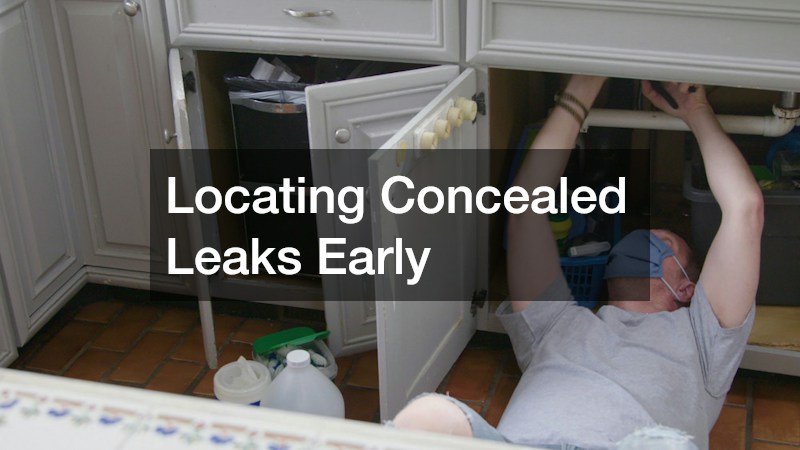
Some of the most damaging household leaks remain hidden behind tiled walls, underneath concrete slabs, or across hidden ceiling voids. A subtle drop in household water pressure or an unexplainable rise in utility billing often signals a slow, persistent leak. Tracking your water meter helps confirm whether pipe lines are weeping while all household fixtures sit completely idle.
Begin by shutting off all indoor and outdoor fixtures, including ice makers, automatic garden timers, and toilet valves. Head to the outdoor water meter pit and examine the low-flow indicator dial, which resembles a small triangular or star-shaped wheel. If this dial spins even slightly while every fixture remains closed, pressurized liquid is escaping somewhere along the home’s plumbing layout.
Deploying Electronic Monitoring and Smart Sensors
Modern sensor technology provides continuous surveillance against plumbing breaks. Compact wireless moisture sensors placed near water heaters, laundry pans, dishwashers, and sump pits sound localized alarms and push notifications directly to smartphones the second moisture bridges their electronic contact pins. Placing these alert pucks in high-risk zones provides valuable early detection:
- Beneath kitchen sink cabinets alongside flexible supply lines and dishwasher drain connections.
- Behind automatic clothes washing machines near the hot and cold wall bibbs and drain standpipes.
- Directly adjacent to the rim of basement sump pits to catch rising water before it breaches the concrete slab.
- Inside water heater catch pans to identify slow tank leaks before bottom seams fail completely.
- Behind refrigerator ice-maker compartments and under water filtration filter housings.
- Near bathroom vanities and directly alongside the floor seal of ground-level toilets.
Whole-home shutoff valves take this protection a step further by using internal ultrasonic flow meters to measure water consumption trends across the main supply line. If the monitor detects an abnormal, continuous flow indicative of a broken line, it mechanically closes the primary ball valve within seconds. This rapid intervention stops potential catastrophes before thousands of gallons soak into sheetrock, subflooring, and finished carpets.
Utilizing Specialized Diagnostic Equipment
When hidden leaks are suspected behind tiled surfaces or under thick foundation slabs, ripping open drywall randomly causes immense secondary repair costs. Modern diagnostic specialists utilize acoustic listening devices, thermal imaging sensors, and pressure decay gauges to locate hidden breaches within wall cavities without invasive demolition.
In complex situations where pipes pass through thick masonry or underground crawl spaces, technicians may introduce an inert tracer gas blend into the drained plumbing line and use an ultra-sensitive helium leak detector to trace the exact escape path through floor tiles or structural dirt. Locating the exact point of failure minimizes structural teardown, lowers labor expenses, and allows repairs to proceed with surgical precision.
Seasonal Defense Protocols
Safeguarding Lines Against Freezing Temperatures
Sub-freezing winter weather poses an immediate threat to supply pipes. When trapped water freezes inside copper, CPVC, or galvanized iron pipes, it expands by approximately nine percent. The ice creates immense hydraulic pressure between the frozen blockage and closed faucets, splitting pipe walls and bursting elbow fittings wide open.
- Disconnect, drain, and store all garden hoses before the first hard freeze, allowing frost-free exterior sillcocks to drain completely.
- Wrap exposed supply lines routed through unconditioned attics, cold basements, and exterior crawl spaces with thick foam insulation or self-regulating electrical heating tape.
- Keep cabinet doors open beneath exterior-facing kitchen and bathroom sinks during severe winter cold snaps to allow ambient room warmth to reach internal wall cavities.
- Leave indoor faucets on a slow, continuous trickle during extreme weather, relieving hydraulic pressure build-up and preventing water from sitting motionless within vulnerable walls.
Preparing Gutters and Downspouts for Spring Runoff
As spring arrives, the rapid transition from sub-freezing conditions to torrential rains introduces fresh moisture challenges. Snowbanks piled against foundation walls melt quickly while deep subsoil layers remain completely frozen, preventing surface meltwater from absorbing into the yard naturally.
Inspect downspout extension joints in late winter to ensure expanding frost has not cracked slip-fit connections. Clear residual ice dams and accumulated debris out of roof gullies so melting snow flows unimpeded toward downspouts rather than backing under shingles. If your property features exterior drainage grates, clear away frozen slush and fallen branches to give spring runoff a direct exit path away from your home’s foundation.
Summer Landscaping and Irrigation Safeguards
Summer brings frequent lawn watering and subterranean landscape maintenance, both of which introduce hidden risks to underground infrastructure. Sprinkler heads positioned too close to siding continuously drench exterior walls, deteriorating caulking and rotting window sills over time. Direct all rotating irrigation heads outward toward lawn turf rather than spraying directly against the structure.
Tree and shrub roots also seek moisture aggressively during hot, dry summer periods, targeting tiny pinholes in underground sewer runs and weeping tiles. When planting shrubs and shade trees, keep deep-rooting varieties well away from buried water lines and utility pathways. Check the operation of backflow preventer valves on lawn irrigation lines annually to prevent dirty outdoor water from contaminating drinking supplies and maintain steady operating pressures.
Long-Term Defensive Renovations
Applying Foundation Waterproofing and Vapor Barriers
While perimeter sloping and clean downspouts handle the majority of surface water, subterranean basement walls require direct physical protection against constant dampness. Over decades, asphalt-based coatings on exterior masonry can deteriorate, allowing groundwater to weep through porous concrete.
For maximum subterranean protection, excavated exterior foundations can be wrapped with dimpled drainage membranes and heavy elastomeric sheets that prevent moisture from ever contacting bare concrete. In unfinished crawl spaces, installing a continuous, cross-laminated 12-mil poly vapor barrier over bare dirt suppresses ground humidity, preventing wooden floor joists from rotting and inhibiting the formation of widespread attic mold colonies.
Upgrading to Modern Plumbing Materials
Houses built several decades ago often feature galvanized steel or polybutylene piping networks. Galvanized steel corrodes internally over time, narrowing pipe diameters and developing thin, fragile spots along threaded joints. Polybutylene, widely installed between the late 1970s and mid-1990s, degrades prematurely from micro-reactions with municipal disinfectants, leading to sudden, unannounced pipe failures.
Repiping aging supply runs with modern cross-linked polyethylene (PEX) tubing substantially improves reliability. PEX resists scale accumulation, handles freeze-thaw cycles better than rigid metal lines, and bends smoothly around wall studs, eliminating hundreds of hidden elbow fittings that could otherwise leak inside enclosed cavities. Modernizing aged plumbing lines represents one of the most effective long-term investments an owner can make toward keeping interior spaces dry.
Maintaining a secure, dry residence demands consistent attention and proactive maintenance across multiple household systems. By systematically securing the roofline, maintaining proper landscape slopes, monitoring indoor pipes, servicing mechanical equipment, and utilizing advanced leak detection sensors, homeowners can neutralize minor moisture issues before they spiral into devastating structural disasters. Vigilance remains your best defense against moisture intrusion, preserving your household budget, personal property, and the lasting structural integrity of your home.