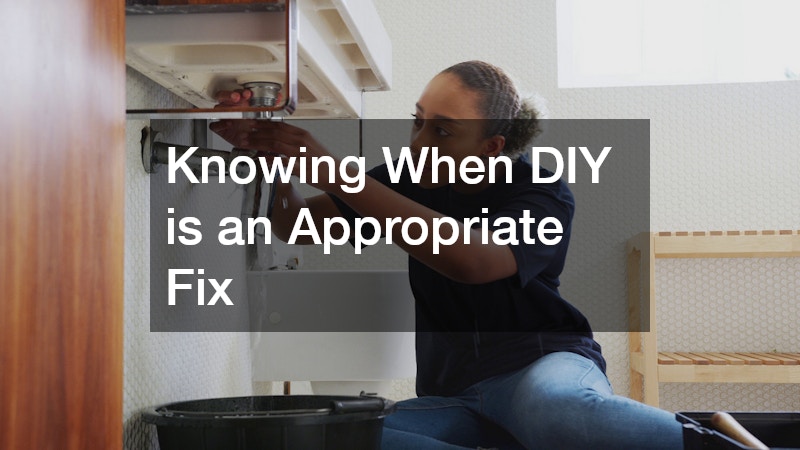
The modern do-it-yourself movement has democratized residential property stewardship, equipping homeowners with the online tutorials, modular materials, and specialty tools needed to tackle an unprecedented array of domestic projects. There is immense personal satisfaction, alongside a legitimate opportunity for financial savings, in repairing your own property, painting your own spaces, and building out custom amenities. However, the rise of hyper-simplified home improvement media has inadvertently masked the profound technical complexities, hidden environmental dangers, and legal risks inherent to high-level structural and utility repairs.
For a homeowner, the single most critical asset in your asset protection plan is not a high-end toolset; it is the analytical framework you use to determine exactly when a task is an appropriate DIY fix versus when it requires licensed corporate intervention. Misjudging this boundary is one of the costliest operational errors a property owner can make. What begins as a harmless weekend cosmetic project can quickly cascade into structural collapse, toxic bio-contamination, or voided insurance policies. To insulate your household capital and maintain your building’s physical equity, you must approach property management with an engineering mindset. This comprehensive guide delivers a rigorous, actionable framework to help you audit task risks, evaluate utility complexities, and establish an uncompromised boundary between independent craftsmanship and specialized professional execution.
Auditing Structural Integrity and Managing Liquid Dynamics
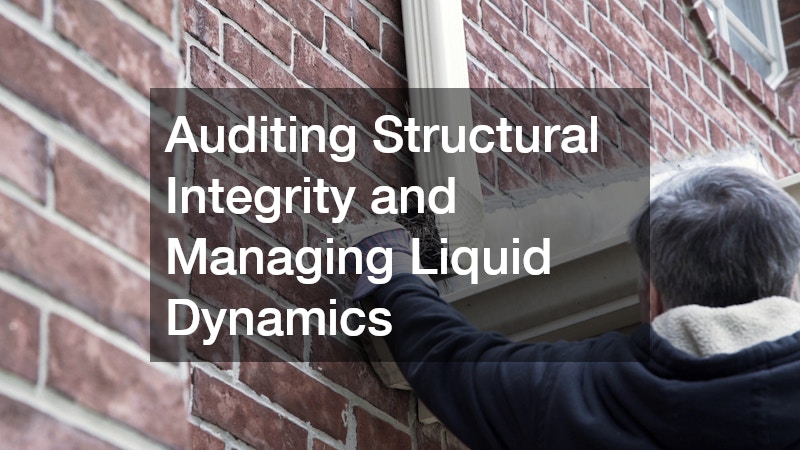
The baseline defense against property depreciation is the continuous mitigation of liquid migration and structural moisture intrusion. When moisture bypasses a home’s external envelope, it silently compromises wood framing, degrades drywall density, and destroys the R-value of underlying insulation long before a stain appears on the ceiling. Homeowners must treat exterior water diversion as a critical priority, but evaluating whether an intervention is an appropriate DIY task depends entirely on the height, pitch, and structural configuration of your rooflines.
For standard, single-story residential properties with low-pitch roof profiles, installing high-durability debris barriers serves as an excellent, low-risk DIY project that prevents long-term foundation erosion. Taking a weekend to measure, clear, and mechanically anchor aluminum mesh gutter guards across your drainage troughs blocks organic materials from creating catastrophic blockages. Installing premium gutter guards is a straightforward task requiring basic hand tools and stable ladder physics, making it highly effective for preventing basement flooding and protecting underlying fascia boards without the need for expensive structural consultation.
- Verify ladder safety metrics, ensuring the extension rails project at least three feet above the gutter eave before stepping onto the roofline.
- Utilize stainless steel self-tapping screws rather than loose friction clips to firmly secure gutter guards against high-velocity mountain winds.
- Clean out the downspout collection trays completely with a high-pressure water stream before locking down the final section of your guard panels.
- Conduct a bi-annual visual inspection of the mesh field, using an extendable pole mirror to verify that fine micro-debris has not created a surface film.
While setting up external barriers like gutter guards fits perfectly within an advanced DIY framework, tracing an active, unseen interior moisture drop is an entirely different operational challenge. When you hear water running behind a finished wall or spot localized mold blooms along a baseboard, trying to locate the source by randomly cutting open your drywall is an inefficient strategy that can easily introduce severe structural weakness. To stop this liquid destruction before it compromises your foundation, you must bring in advanced technical diagnostic tools. Engaging certified plumbing specialists to execute a non-invasive thermal leak detection sweep allows you to map hidden moisture plumes, pipe pinholes, and roof flashing failures with absolute precision. Relying on professional leak detection services prevents unnecessary property destruction, identifies the exact mechanical failure point behind the insulation, and ensures your plumbing repairs are backed by corporate structural warranties.
Executing Advanced Surface Rejuvenation and Chemical Staging
Once a home’s structural shell is completely verified as dry and stable, homeowners can shift focus to high-impact cosmetic upgrades and interior surface overhauls. Upgrading high-traffic utility zones, such as garage floors and workshop staging slabs, offers immense value by improving chemical resistance, stopping concrete dusting, and maximizing illumination through light reflection. However, transforming a porous, raw concrete foundation into a pristine, industrial-grade workspace requires balancing intensive mechanical prep with volatile, climate-sensitive chemical mixtures.
For a standard two-car residential garage that is free of deep oil saturation and major hydrostatic pressure issues, applying a high-solids protective shield can serve as a highly rewarding, mid-tier DIY project. Taking the time to execute a multi-phase acid etching process, treat hairline fissures, and roll out a professional-grade epoxy garage floor transforms an unpolished storage bay into an elite, chemical-resistant workspace. Successfully executing an epoxy garage floor requires strict attention to detail during the chemical blending phase, precise tracking of ambient humidity markers, and a complete lockout of vehicle traffic during the multi-day curing window to lock in an unyielding, high-gloss finish.
- Conduct a mandatory moisture test by taping a dense plastic sheet to the garage floor for forty-eight hours to verify that hidden hydrostatic pressure will not delaminate your coating.
- Utilize a diamond-cup grinding disc rather than simple liquid soap to mechanically profile the concrete field if the slab has been previously sealed.
- Blend the multi-component epoxy garage floor resin and activator with a slow-speed mechanical mixer to prevent introducing microscopic air bubbles into the matrix.
- Broadcast high-durability color chips uniformly across the wet resin field to provide crucial underfoot slip resistance during wet winter months.
While installing a standard epoxy floor fits well within the capabilities of an experienced property manager, scaling this application up to handle heavy commercial foot traffic, high-torque forklift wheels, or industrial manufacturing environments introduces extreme mechanical complexities. When a project demands the installation of highly specialized commercial floor coatings, such as high-build polyaspartic systems, self-leveling urethane cements, or electrostatic dissipative layers, DIY attempts are highly prone to immediate failure. Professional commercial floor coatings require the use of massive, high-torque planetary diamond grinders equipped with integrated HEPA dust-extraction systems to properly open up the concrete matrix. Partnering with certified commercial floor coatings technicians ensures that complex chemical bonding variables are carefully monitored using specialized equipment, guaranteeing a long-term, impact-resistant finish that complies fully with rigorous international industrial safety metrics.
Navigating Demolition Dynamics and Structural Reconfiguration
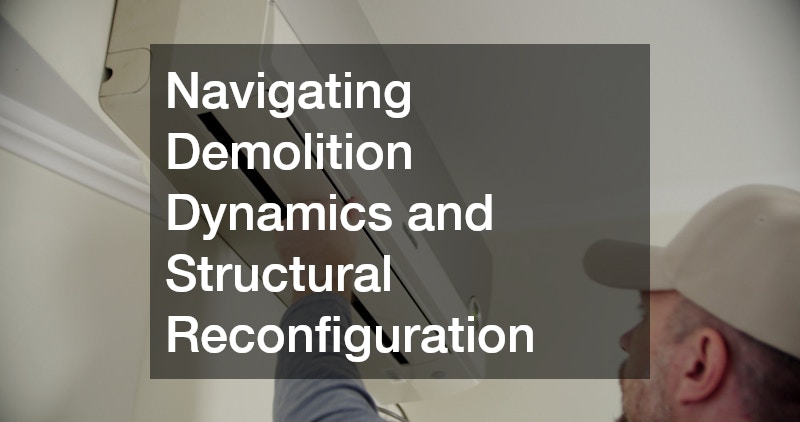
As a property evolves to accommodate changing household dynamics, homeowners often find themselves planning structural reconfigurations, layout extensions, or complete interior updates. The initial phase of any major interior remodeling project involves clearing away the old footprint—removing old cabinetry, pulling down non-load-bearing partitions, and stripping away dated flooring layers. Because this initial stage is often viewed as simple manual labor that doesn’t require precise plumbing or electrical assembly skills, it is frequently targeted as an easy way to save money through a DIY approach.
However, treating the initial phase of a remodel as an unguided manual project is a high-risk operational error. Before you swing a sledgehammer into an enclosed wall cavity, you must realize that a home’s internal pathways are tightly packed with structural wiring grids, pressurized water lines, and HVAC duct networks. Attempting to execute structural demolition without advanced diagnostic verification can cause severe electrical shock, catastrophic plumbing ruptures, or permanent damage to load-bearing support systems. For any project that involves changing your home’s layout, hiring a licensed structural contracting firm is an absolute necessity to protect your home’s equity. Partnering with a premier contracting agency provides your remodel with an experienced project manager who can orchestrate code-compliant load calculations, secure municipal building permits, and ensure that hazardous utilities are safely disconnected before any physical demolition begins.
- Verify that your contracting team establishes thick, floor-to-ceiling polyethylene dust barriers to completely isolate the work zone from your home’s clean air system.
- Enforce a mandatory utility-mapping protocol, utilizing advanced wall-scanning radar to identify hidden live electrical conduits before cutting into any substrate.
- Ensure that any structural modifications to your home’s framework are reviewed and signed off by a certified structural engineer to protect your property’s resale profile.
- Set up dedicated, heavy-duty waste management loops, using roll-off containment bins to keep debris paths clear of high-traffic family lanes.
Once a professional contracting crew has safely completed the heavy structural changes, managed the utility rough-ins, and verified the framework alignment, the project enters a phase where DIY skills can once again be highly effective. After the heavy framing has passed inspection, a homeowner with good spatial awareness and patience can take charge of installing, taping, and finishing the internal partition panels. Sourcing high-quality drywall services or independently executing the hanging, mudding, and sanding processes allows you to sculpt clean, flawless interior walls at your own pace. Taking the time to master the art of applying multi-pass feathering mud compound over joints ensures you build a smooth surface that serves as the perfect canvas for your final paint coatings.
Mitigating Bio-Contamination and Professional Pathogen Removal
Maintaining a premium residential asset requires more than just managing mechanical wear and structural cosmetics; it demands the absolute protection of your indoor air quality and biological safety. When environmental systems fail, whether due to a hidden plumbing leak, a sudden basement flood, or invasive wildlife breaching your attic insulation, your home can rapidly become a breeding ground for dangerous micro-pathogens and toxic bio-contaminants. Attempting to handle a severe biological infestation using entry-level household cleaning chemicals is a dangerous strategy that often accelerates the spread of spores throughout your home’s ventilation lines.
This hidden danger is highly evident when dealing with persistent fungal colonization inside wall cavities or crawlspaces. When toxic spore patches expand to cover more than ten square feet of surface area, attempting a DIY cleanup using standard bleach spray will only worsen the issue, as the moisture in the spray can trigger a massive release of microscopic spores into the air. To eliminate this biological risk safely, you must retain the services of certified mold removal companies. Elite mold removal companies deploy industrial-grade air scrubbers, advanced negative-pressure containment enclosures, and specialized antimicrobial sealants to completely neutralize the infestation at the molecular root, protecting your household from severe respiratory risks and providing independent environmental clearance certification.
- Ensure your selected mold removal specialists utilize independent, third-party laboratory testing to verify that indoor air spore counts have returned to safe baselines.
- Install high-efficiency particulate air (HEPA) filtration upgrades within your central HVAC system to continuously capture airborne micro-particles.
- Invest in premium, fully waterproof mattress covers for every bed in your home to create an impenetrable barrier that shields your sleeping zones from airborne micro-allergens.
- Utilize commercial-grade waterproof mattress covers that feature advanced zippered micro-teeth locks to block dust mites, liquid spills, and airborne mold spores from embedding into deep foam cores.
The necessity for specialized professional intervention is equally critical when your home faces an invasion of protected, disease-carrying wildlife. When colonial mammals, such as bats, breach your roofline to nest in your attic, attempting to seal the entry points yourself can lead to disaster, often trapping the colony inside where they will perish and create a severe bio-hazard within your ceiling structure. To handle this delicate issue safely, you must bring in an expert wildlife management team that specializes in humane bat removal. A professional bat removal framework utilizes specialized one-way exclusion funnels that allow the mammals to safely exit the building to forage at night without being able to re-enter, ensuring a safe, permanent resolution to the infestation while satisfying local wildlife conservation laws.
Successfully navigating the complex journey of modern homeownership requires balancing a passion for independent hands-on craftsmanship with a deep respect for specialized technical expertise. Transforming your property into a highly efficient, value-producing real estate asset is an impressive achievement that relies on clean organization, predictive data tracking, and a disciplined approach to risk management. Treating an intricate, multi-layered residential facility with a casual mindset, or attempting high-risk, code-regulated utility overhauls without the proper equipment, is a recipe for severe capital depletion, physical injury, and structural property depreciation.
True, lifelong property prosperity is achieved only when you step fully into the role of a strategic asset director who actively commands the boundary between DIY execution and corporate contracting. By taking definitive control of your property’s maintenance timeline, from independently managing external gutter guards and rolling out custom epoxy garage floors to orchestrating certified leak detection services, structural contracting groups, commercial mold removal companies, and specialized bat removal frameworks, you completely insulate your home investment from systemic failure. Build a reliable, highly professional network of licensed utility technicians, expert mechanical fabricators, and certified structural engineers who respect the unique structural needs of your terrain. Command your property with mechanical confidence, honor the feedback loops of your building, and advance your home preservation journey with the absolute assurance that your asset will stand as a secure, thriving fortress of comfort, safety, and equity for decades to come.