
A well-planned home renovation can do much more than update the appearance of your house—it can make everyday life easier, more comfortable, and more enjoyable for the entire family. As household needs evolve, spaces that once worked well may become less functional or efficient. Whether it’s creating a more organized kitchen, adding storage, improving accessibility, or upgrading high-traffic areas, thoughtful renovations can simplify daily routines and help every member of the family make better use of the home.
The most valuable renovation projects are those that solve everyday challenges while improving comfort, safety, and convenience. Features such as open and functional living spaces, modern bathrooms, energy-efficient upgrades, and better lighting can reduce stress, save time, and create a more welcoming environment. These improvements not only enhance your family’s quality of life but can also increase your home’s long-term value and appeal.
This guide highlights 12 home renovation projects that simplify everyday living by improving the way your home functions. From practical layout changes to upgrades that boost efficiency and organization, these renovation ideas can help you create a home that better supports your family’s lifestyle today while providing lasting benefits for the future.
1. Refresh the Main Bathroom
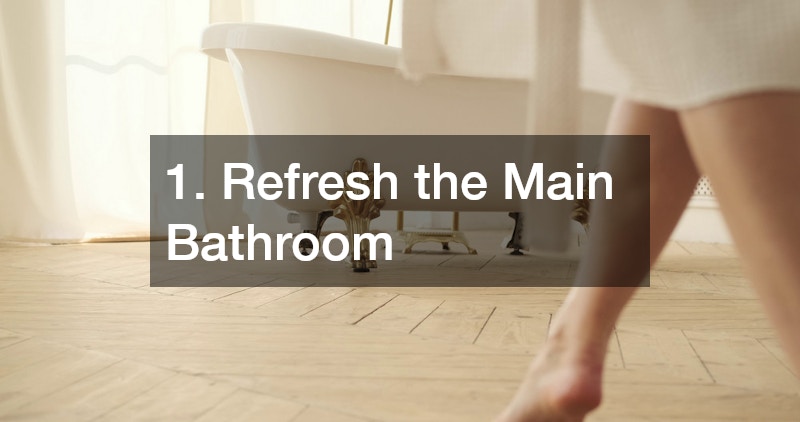
The main bathroom is often one of the hardest-working rooms in the home. Better storage, a more comfortable shower, improved ventilation, and easier-to-clean surfaces can make mornings less rushed and evenings more relaxing. A bathroom that supports daily routines can reduce clutter on counters, improve privacy, and make shared use less stressful. The goal is not just a newer room, but a room that works better.
Experienced bathroom remodeling contractors can help homeowners think through layout, moisture control, fixture placement, lighting, and future access needs before materials are chosen. That planning is important because bathrooms combine water, electricity, ventilation, storage, and tight clearances in one compact space. A thoughtful design can prevent the room from feeling crowded after the remodel is complete. Function should guide the selections so the finished bathroom stays useful over time.
2. Turn the Lower Level Into Usable Space
An unfinished lower level can become a storage zone by default, even when it has the potential to support everyday life. Creating a practical room for work, exercise, hobbies, guests, or family activities can relieve pressure on the main floor. This kind of remodel is especially helpful when the household needs more space but does not want to change the home’s footprint. Better lighting, insulation, and organization can make the area feel like a true extension of the home.
For many households, basement finishing should begin with practical questions about moisture, ceiling height, mechanical access, egress, heating, cooling, and lighting. Those details affect whether the finished room will feel comfortable and easy to maintain. Homeowners should decide how the space will be used before choosing flooring, walls, storage, or built-ins. A clear purpose helps prevent the lower level from becoming a nicer version of the same cluttered storage area.
3. Clear Outdoor Obstacles Before Redesigning the Yard

A yard remodel works best when problem areas are addressed before new features are added. Damaged trees, overcrowded growth, unstable trunks, and blocked access points can make a property feel smaller or harder to use. Clearing the right obstacle can open space for safer paths, better sunlight, a cleaner lawn area, or a more useful patio. This type of exterior work can change how the whole property functions.
A local tree removal service may be worth considering when a tree is dead, storm-damaged, leaning, crowding the roofline, or interfering with an outdoor improvement plan. Removal should be based on condition, location, access, and risk rather than appearance alone. Once the hazard is gone, homeowners can make better decisions about planting, seating, fencing, or lawn recovery. Clearing the site first can prevent new work from being built around a problem that should not remain.
4. Shape Trees to Improve Light and Movement
Many yards do not need fewer trees; they need better tree structure and clearance. Overgrown branches can block windows, scrape roofs, shade turf too heavily, or make walkways feel narrow. When trees are shaped with a clear purpose, they can still provide shade and character while making the property easier to use. Better light and cleaner access can make both indoor and outdoor spaces feel more comfortable.
Planned tree trimming can support healthier growth, better sightlines, and safer movement around driveways, patios, and entries. Homeowners may want to open a view from a kitchen window, reduce branch contact near the roof, or create more usable space around outdoor furniture. Timing and technique matter because poor cuts can weaken a tree or make it look uneven. A careful approach improves the yard without removing the benefits mature trees provide.
5. Rework the Kitchen Around Daily Routines
The kitchen affects meals, storage, cleanup, homework, entertaining, and household traffic. A layout with limited counter space, awkward appliance placement, poor pantry access, or crowded walkways can make the room frustrating even if it looks attractive. Thoughtful kitchen remodeling can improve how groceries are unloaded, how meals are prepared, and how people move through the space during busy times. The best design decisions reduce repeated inconvenience.
A practical kitchen plan should account for work zones, trash placement, dishwasher access, lighting, cabinet interiors, and the way multiple people use the room at once. Deep drawers, better pantry storage, durable counters, and improved task lighting can make the space easier to maintain. The finished room should support daily cooking and cleanup, not only occasional gatherings. Strong planning keeps visual updates connected to real household needs.
6. Handle the Small Repairs That Create Daily Friction
Small repairs can have a large effect on how a home feels. Sticking doors, loose handles, damaged trim, wobbly shelves, broken screens, and unfinished patchwork can become constant annoyances when they are ignored. Reliable local handyman services can help homeowners clear these smaller projects before they become part of the home’s normal disorder. Grouping repairs together can quickly make the property feel more cared for.
This kind of work can also clarify what truly needs a larger remodel. Once minor repairs are completed, a room may feel much better without a major investment. In other cases, the repairs reveal that the layout, storage, or materials still need a bigger change. Starting with practical fixes gives homeowners a clearer basis for deciding what should come next.
7. Refresh Planting Beds and Yard Edges
Outdoor maintenance becomes easier when planting beds are clearly shaped and protected. Messy edges, thin coverage, exposed soil, and crowded plants can make the whole exterior look harder to manage. Professional mulch services can help refresh tired beds, reduce visible bare spots, and create cleaner transitions around trees, shrubs, and walkways. A simple bed refresh can make the property feel more organized.
A better landscape layout should also reduce ongoing work. Beds that are too scattered, too narrow, or too difficult to access may become frustrating to maintain. Homeowners can simplify borders, group plantings more logically, and keep high-maintenance areas where they are easiest to reach. Yard updates are most helpful when they look better and make future upkeep more realistic.
8. Make the Pool Area More Practical

A pool area should be easy to reach, comfortable to use, and safe to move around. Cracked surfaces, poor lighting, limited seating, awkward storage, or disconnected landscaping can make the space less inviting. A local pool construction company can help homeowners think through layout, materials, access, and how the pool connects to patios, doors, and gathering areas. The goal is a pool area that supports ordinary use, not just a finished look.
Pool upgrades should account for how people enter, sit, store towels, supervise swimmers, and move between the house and yard. Shade, lighting, slip resistance, and maintenance access can matter as much as the shape of the pool itself. A thoughtful plan can turn the surrounding area into a more comfortable outdoor room. The best improvements make the space easier to enjoy and easier to manage.
9. Install Flooring That Handles Real Life
Floors affect sound, cleaning, comfort, and movement through the home. Worn carpet, uneven transitions, scratched surfaces, and hard-to-clean materials can make daily maintenance feel more difficult. Well-planned wood floor installations can create a cleaner, more consistent surface across connected rooms when the material fits the household’s lifestyle. A good flooring update can make the home feel calmer and easier to care for.
Material selection should account for pets, children, moisture, furniture movement, entry points, and cleaning habits. A floor that looks beautiful but cannot handle daily use may become a source of stress. Transitions between rooms should also be planned carefully so movement feels smooth and safe. The most useful flooring choices balance appearance with durability and maintenance.
10. Improve Lighting, Outlets, and Power Access

Modern homes often need better electrical planning than older layouts provide. Workstations, chargers, kitchen appliances, bathroom features, outdoor tools, and entertainment areas can all create demand in places where outlets or lighting were not originally designed. A residential electrical service can help improve convenience by addressing circuits, switches, outlets, and fixtures around current routines. Better power access can make existing rooms feel more functional.
Lighting should be designed around the way each space is used. Kitchens need strong task lighting, bathrooms need balanced mirror lighting, and living areas may need softer options for different times of day. Exterior lighting can also make entries, driveways, and patios safer to use after dark. Good lighting planning supports comfort, visibility, and daily convenience.
11. Add Storage Where Clutter Actually Starts
Storage remodels work best when they are placed where clutter naturally appears. Shoes, bags, mail, pet supplies, sports gear, coats, cleaning tools, and reusable shopping bags often pile up because they do not have a logical home. Reliable local handyman services can help add shelves, hooks, benches, closet improvements, garage organization, or mudroom features. A useful drop zone can make the home easier to reset every day.
The best storage plan follows household habits instead of fighting them. If everyone enters through the garage, that area may need better organization than the formal front entry. If laundry piles up near bedrooms, a hallway solution may be more useful than a cabinet in another room. Storage should reduce repeated messes, not simply create more places to hide them.
12. Sequence Projects So Finished Work Stays Protected
A remodeling plan should consider the order of work, especially when several rooms or outdoor areas are involved. Dust, equipment movement, demolition, material deliveries, and weather exposure can all affect finished surfaces. A basement finishing project may be easier to protect when mechanical, electrical, and moisture-related issues are addressed before walls and floors are closed in. Good sequencing helps prevent completed work from being disturbed too soon.
Outdoor sequencing needs the same discipline. Scheduling tree trimming before new turf, planting beds, patios, or poolside improvements can protect the work area from avoidable disruption. Branch work can involve equipment, debris, and access paths that may affect nearby surfaces. Handling that type of work earlier helps later exterior improvements stay cleaner and less vulnerable to damage.
Conclusion
Home renovations are most rewarding when they improve the way your family lives each day. Whether it’s creating more functional living spaces, increasing storage, enhancing accessibility, or upgrading essential areas of the home, thoughtful improvements can simplify daily routines and make your home more comfortable for everyone. Even modest renovations can have a lasting impact when they address the needs of your household and support a more organized, efficient lifestyle.
As you plan future projects, focus on renovations that provide practical benefits while complementing your home’s overall design and long-term goals. Investing in quality materials, careful planning, and skilled workmanship can help ensure that each improvement delivers lasting value, reduces maintenance needs, and adapts to your family’s changing needs over time.
Ultimately, creating a home that supports everyday living is an ongoing process. By prioritizing renovations that enhance comfort, convenience, and functionality, you can build a living environment that is easier to maintain, more enjoyable to share with family and friends, and better equipped to meet the demands of everyday life for years to come.