Key Takeaways
- Start with structural and system upgrades before making cosmetic changes to ensure your home is safe, durable, and prepared for future improvements.
- Improve insulation and seal air leaks to maintain consistent indoor temperatures, reduce energy waste, and lower heating and cooling costs throughout the year.
- Upgrade aging windows, roofing, HVAC, plumbing, and electrical systems to enhance comfort, increase reliability, and improve overall household efficiency.
- Control moisture and improve ventilation to protect your home’s structure, prevent mold and water damage, and promote healthier indoor air quality.
- Choose remodeling projects that balance preservation with modernization so you can retain your home’s unique architectural character while enjoying modern conveniences.
- Incorporate energy-efficient fixtures, appliances, and smart technology to reduce utility expenses, simplify daily living, and improve long-term home performance.
- Plan renovations strategically and budget for unexpected repairs, as older homes often reveal hidden issues that are best addressed early in the remodeling process.
An older home has a character and charm that newer properties often struggle to replicate. From intricate woodwork and original hardwood floors to unique architectural details, these homes tell stories that span generations. However, age also brings challenges. Drafty windows, outdated insulation, aging plumbing, inefficient heating systems, and worn electrical components can make an otherwise beautiful house less comfortable and more expensive to maintain.
A thoughtful remodel offers an opportunity to preserve the home’s personality while adapting it to modern living standards. Rather than replacing everything with contemporary materials, homeowners can focus on upgrades that improve daily comfort, lower utility costs, and extend the property’s lifespan. The best remodeling plans carefully balance preservation and performance, ensuring every improvement contributes to a healthier, safer, and more efficient home.
Whether you’re restoring a century-old farmhouse, updating a mid-century residence, or renovating a family home that’s simply showing its age, the right remodeling strategy can make a significant difference. This guide explores practical remodeling tips that increase comfort, improve energy efficiency, and help homeowners make informed decisions throughout the renovation process.
Why Should You Remodel an Older Home?
An older home often contains construction methods and materials that were considered excellent when originally built but may no longer meet today’s expectations for efficiency and comfort. Remodeling is about more than aesthetics—it addresses underlying issues that affect everyday living.
A carefully planned renovation improves indoor temperatures, reduces drafts, enhances lighting, minimizes moisture problems, and modernizes outdated systems without sacrificing the home’s original appeal. Instead of constantly repairing aging components, homeowners can invest in upgrades that provide lasting benefits.
Comfort also extends beyond physical improvements. A remodeled home often functions better for modern families, offering improved layouts, increased storage, better lighting, and healthier indoor air quality.
Where Should You Start?
Beginning an old home remodel without a plan can quickly become overwhelming. Older homes frequently reveal hidden issues once walls or flooring are removed, making preparation essential.
The first step is understanding the property’s current condition before choosing cosmetic upgrades.
Consider evaluating:
- Structural integrity
- Roof condition
- Foundation stability
- Plumbing system
- Electrical wiring
- HVAC performance
- Window efficiency
- Insulation levels
- Moisture intrusion
- Pest damage
Professional inspections may seem like an additional expense, but they often prevent costly surprises later.
Creating a remodeling roadmap also helps prioritize improvements in the proper order.
Generally, renovations should follow this sequence:
- Structural repairs
- Roof repairs
- Exterior weather protection
- Windows and doors
- Plumbing
- Electrical
- HVAC
- Insulation
- Interior remodeling
- Cosmetic finishes
Working from the outside inward helps protect completed work from future damage.
How Can Better Insulation Make an Older Home More Comfortable?
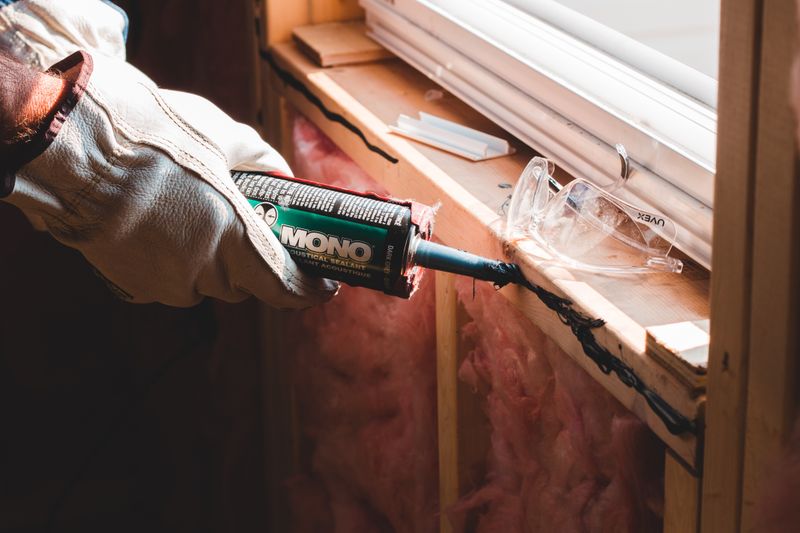
One of the biggest weaknesses in older homes is insufficient insulation. Many houses built decades ago contain little or no insulation in walls, attics, or crawl spaces.
Without proper insulation, conditioned air escapes during winter while excessive heat enters during summer. This forces HVAC systems to work harder and increases monthly energy bills.
Adding insulation provides several benefits:
- More consistent indoor temperatures
- Lower heating costs
- Reduced cooling expenses
- Less outside noise
- Improved indoor comfort
- Better humidity control
Common insulation upgrades include:
Attic insulation
Heat naturally rises. Increasing attic insulation is often one of the highest-return remodeling investments because it significantly reduces heat transfer.
Wall insulation
Older exterior walls frequently lack adequate insulation. Blown-in insulation allows many homes to be upgraded without extensive demolition.
Crawl space insulation
Properly insulated crawl spaces help stabilize indoor temperatures while protecting plumbing during colder months.
Are Your Windows Costing You Money?
Older windows contribute significantly to energy loss.
Single-pane glass, deteriorating seals, and warped wooden frames allow conditioned air to escape while permitting outside temperatures to enter the home.
However, replacing every original window isn’t always necessary.
Depending on the home’s condition, homeowners may choose:
- Weatherstripping
- New caulking
- Storm windows
- Window restoration
- Double-pane replacements
- Low-E glass upgrades
Modern energy-efficient windows improve:
- Temperature regulation
- Indoor comfort
- Noise reduction
- UV protection
- HVAC efficiency
If preserving historic character is important, restoration combined with modern weatherproofing may provide excellent performance while maintaining original craftsmanship.
What Roofing Improvements Support Energy Efficiency?
The roof serves as the home’s first defense against weather while also affecting energy performance.
Older roofs often suffer from:
- Missing shingles
- Water damage
- Poor ventilation
- Inadequate insulation
- Aging flashing
A roofing evaluation should determine whether repairs or replacement are necessary.
Energy-efficient roofing options include:
- Reflective shingles
- Metal roofing
- Improved attic ventilation
- Radiant barriers
- Better underlayment systems
These upgrades reduce heat buildup during warmer months and improve year-round comfort.
Why Should You Upgrade Heating and Cooling Systems?
Many older homes still rely on HVAC systems that operate far below modern efficiency standards.
Even after insulation improvements, an outdated furnace or air conditioner may consume excessive energy.
When replacing HVAC equipment, consider:
- Proper sizing
- High-efficiency heat pumps
- Variable-speed systems
- Smart thermostats
- Zoned heating
- Improved duct sealing
A properly designed HVAC system maintains consistent temperatures throughout the home instead of creating uncomfortable hot and cold spots.
Regular maintenance also extends equipment lifespan while improving efficiency.
How Can Air Sealing Improve Everyday Living?
Many homeowners focus on insulation while overlooking air leaks.
Small openings around windows, doors, plumbing penetrations, electrical outlets, and attic access points collectively waste significant amounts of conditioned air.
Professional air sealing may include:
- Caulking gaps
- Expanding foam insulation
- Weatherstripping
- Door sweeps
- Duct sealing
These relatively inexpensive improvements reduce drafts almost immediately.
Benefits include:
- Better indoor comfort
- Lower utility bills
- Less dust
- Reduced allergens
- Improved humidity control
Air sealing often provides one of the fastest returns among remodeling projects.
Should You Replace Old Plumbing?
Older plumbing systems eventually develop corrosion, mineral buildup, leaks, and reduced water pressure.
Depending on the home’s age, pipes may consist of outdated materials that no longer meet modern standards.
Common upgrades include:
- Copper piping
- PEX plumbing
- Water-efficient fixtures
- New shut-off valves
- Pressure regulators
Modern plumbing systems improve reliability while reducing water waste.
Water-saving fixtures also decrease utility bills without sacrificing performance.
Among many well-planned home improvements, plumbing modernization is frequently overlooked despite its significant impact on comfort, efficiency, and long-term maintenance costs.
Is It Time to Modernize the Electrical System?
Electrical systems installed decades ago were never designed to handle today’s technology.
Older homes may have:
- Insufficient outlets
- Overloaded circuits
- Outdated breaker panels
- Aluminum wiring
- Knob-and-tube wiring
Electrical remodeling improves both convenience and safety.
Possible upgrades include:
- Additional outlets
- USB charging outlets
- AFCI protection
- GFCI outlets
- LED lighting
- Smart lighting controls
LED lighting alone uses significantly less electricity while lasting much longer than traditional incandescent bulbs.
How Can Lighting Make an Older Home Feel More Comfortable?
Natural and artificial lighting greatly influence how comfortable a home feels.
Older floor plans often contain dark hallways and isolated rooms with limited daylight.
Improving lighting may involve:
- Larger windows
- Skylights
- Solar tubes
- Recessed lighting
- Under-cabinet lighting
- Layered lighting design
Using multiple light sources creates warmer, more inviting living spaces.
Dimmers also allow homeowners to adjust lighting based on different activities throughout the day.
What Kitchen Updates Offer the Best Balance Between Comfort and Efficiency?
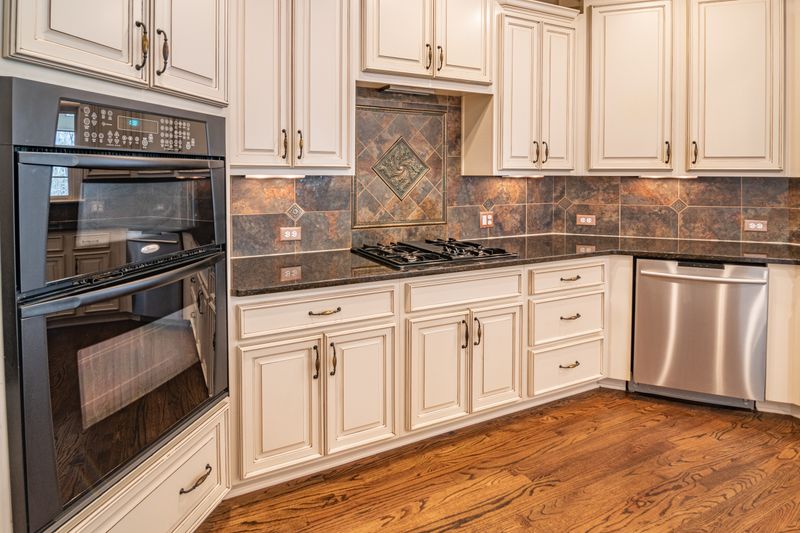
The kitchen serves as one of the most frequently used spaces in any home.
Older kitchens often lack adequate storage, workflow, lighting, and energy-efficient appliances.
Comfort-focused upgrades include:
- Better cabinet organization
- Efficient work triangles
- Improved ventilation
- LED task lighting
- Water-saving faucets
- ENERGY STAR appliances
New appliances consume less electricity and water while improving cooking performance.
Replacing outdated range hoods also improves indoor air quality by removing excess moisture and cooking pollutants.
Which Bathroom Improvements Make the Biggest Difference?
Bathrooms combine comfort, hygiene, and water efficiency.
Older bathrooms may experience:
- Poor ventilation
- Water damage
- Mold growth
- Inefficient fixtures
- Limited accessibility
Modern upgrades may include:
- Low-flow toilets
- Water-saving showerheads
- Better exhaust fans
- Heated flooring
- Walk-in showers
- Improved lighting
These improvements enhance everyday comfort while reducing water consumption.
How Can Flooring Affect Indoor Comfort?
Flooring influences both appearance and thermal comfort.
Older flooring sometimes hides structural issues, moisture damage, or worn subfloors.
When remodeling, consider:
- Engineered hardwood
- Luxury vinyl plank
- Cork flooring
- Bamboo flooring
- Refinished hardwood
Area rugs also help reduce heat loss while making living areas more comfortable during colder seasons.
Does Better Ventilation Improve Energy Efficiency?
Absolutely.
Many older homes struggle with indoor air quality due to outdated ventilation systems.
Poor airflow allows humidity, allergens, odors, and pollutants to accumulate indoors.
Solutions include:
- Energy recovery ventilators
- Heat recovery ventilators
- Kitchen exhaust improvements
- Bathroom ventilation
- Whole-house ventilation systems
Proper ventilation supports healthier indoor environments without sacrificing energy efficiency.
Can Smart Home Technology Improve an Older House?
Modern technology integrates surprisingly well into older homes.
Smart devices help homeowners monitor and reduce energy consumption while improving convenience.
Popular upgrades include:
- Smart thermostats
- Smart lighting
- Leak detection sensors
- Water shutoff systems
- Smart blinds
- Energy monitoring systems
These technologies help optimize energy use without altering the home’s architectural character.
What Exterior Improvements Help Reduce Energy Loss?
Energy efficiency doesn’t stop inside the house.
Exterior improvements strengthen the home’s protective envelope while increasing curb appeal.
Examples include:
- Modern siding
- Exterior insulation
- Weather-resistant barriers
- New gutters
- Improved drainage
- Energy-efficient exterior doors
Proper drainage prevents moisture from damaging foundations, insulation, and framing.
When planning exterior upgrades, some homeowners also explore designing a backyard that complements the remodeled home. Shade trees, permeable landscaping, and thoughtfully placed outdoor living areas can naturally reduce heat gain while creating a more comfortable environment around the property.
How Can Moisture Control Protect an Older Home?
Moisture is one of the biggest threats to older houses.
Unchecked moisture leads to:
- Mold
- Wood rot
- Structural damage
- Insulation failure
- Poor indoor air quality
Protective measures include:
- Proper grading
- Foundation waterproofing
- Vapor barriers
- Roof maintenance
- Functional gutters
- Crawl space encapsulation
Controlling moisture preserves remodeling investments while improving overall comfort.
Which Remodeling Projects Deliver the Best Long-Term Value?
Not every remodeling project offers the same return.
Prioritizing upgrades that improve both efficiency and comfort typically produces the greatest long-term benefits.
Examples include:
- Roof replacement
- Window upgrades
- Insulation improvements
- HVAC modernization
- Plumbing replacement
- Electrical upgrades
- Air sealing
- Moisture management
These valuable renovation projects often lower operating costs while increasing resale appeal, making them worthwhile investments for homeowners who plan to stay in their homes or sell in the future.
How Can You Preserve the Character of an Older Home?
One of the greatest advantages of older homes is their architectural uniqueness.
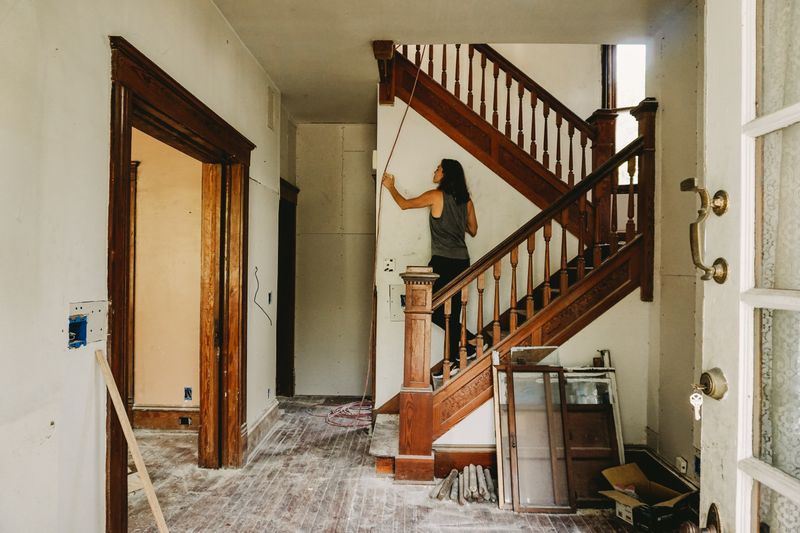
Rather than removing original details, consider restoring features such as:
- Hardwood flooring
- Crown molding
- Decorative trim
- Brick fireplaces
- Original staircases
- Solid wood doors
Blending historical elements with modern efficiency upgrades creates a home that feels both timeless and practical.
Restoration also helps maintain neighborhood character while protecting long-term property value.
What Common Remodeling Mistakes Should You Avoid?
Older homes often present unexpected challenges, making careful planning essential.
Avoid these common mistakes:
- Starting cosmetic work before structural repairs
- Ignoring moisture problems
- Choosing the lowest contractor bid without verifying qualifications
- Removing historically significant features unnecessarily
- Skipping permits
- Underestimating contingency budgets
- Installing oversized HVAC systems
- Neglecting insulation while replacing equipment
Building a contingency fund of 10–20% helps absorb unexpected discoveries that frequently arise during renovations.
Taking a phased approach also allows homeowners to spread costs over time while ensuring each improvement builds on the previous one.
Conclusion
Remodeling an older home is an opportunity to create a living space that combines timeless character with modern comfort and efficiency. While cosmetic updates can enhance appearance, the most meaningful improvements often occur behind the walls, above the ceilings, and beneath the floors. Addressing insulation, air sealing, roofing, plumbing, electrical systems, heating and cooling equipment, ventilation, and moisture control creates a stronger foundation for every future upgrade.
Successful renovations begin with careful planning, realistic budgeting, and a commitment to solving underlying issues before focusing on finishes. By prioritizing comfort, energy performance, safety, and durability, homeowners can transform an aging house into a more enjoyable, efficient, and resilient place to live. The result is a home that retains its original charm while meeting the expectations of modern life, providing lasting value for years to come.