Creating a backyard that adds value to your property is about far more than aesthetics alone. Today’s homeowners and buyers alike look for outdoor spaces that function as extensions of the home—areas designed for comfort, usability, low maintenance, and long-term durability. When done well, creating a backyard can significantly influence property value, curb appeal, and overall livability. From thoughtful planning to strategic upgrades, each decision you make can enhance how your outdoor space is perceived and used.
A successful approach to creating a backyard begins with understanding how outdoor improvements contribute to resale value. Buyers often see a well-developed yard as a turnkey benefit, saving them time and future expenses. Functional layouts, defined zones for relaxation or entertaining, and durable installations all signal quality investment. Even if you plan to stay in your home long term, these enhancements improve everyday enjoyment while protecting your property’s equity.
Designing a Cohesive Outdoor Layout
One of the most important foundations of creating a backyard that adds value is a cohesive, well-planned layout. A backyard that feels intentional and organized immediately communicates quality and care. Rather than adding features randomly over time, thoughtful layout planning ensures every element works together to support both function and visual appeal.
Start by identifying how the space will be used. Many homeowners benefit from dividing the yard into distinct zones, such as dining, relaxation, play, or gardening areas. Clear pathways and sightlines help the yard feel larger and more navigable, even on smaller lots. Defined zones also make the space more attractive to potential buyers, who can easily envision how they might use the area themselves.
Material selection plays a major role in cohesion. Working with a reliable landscaping material supplier allows you to maintain consistency in textures, colors, and finishes across hardscaping and planting beds. Matching stone, pavers, or gravel tones creates visual harmony, while durable materials reduce long-term upkeep. Buyers often notice when materials feel mismatched or poorly integrated, which can detract from perceived value.
Scale and proportion are equally important. Oversized features can overwhelm a yard, while undersized elements may feel underwhelming or impractical. Balancing open green space with built features creates flexibility and ensures the yard remains usable for different lifestyles. This balance is essential when creating a backyard intended to appeal to a broad audience.

Enhancing Appeal Through Professional Planning
Professional planning can dramatically elevate the results of creating a backyard, particularly when value is a top priority. While DIY improvements have their place, expert guidance ensures that your outdoor space is designed with efficiency, longevity, and resale appeal in mind. Professionals understand how to align design choices with environmental conditions, zoning considerations, and buyer expectations.
Working with providers that offer landscape design services helps translate your ideas into a cohesive plan that maximizes usable space. Designers assess factors such as drainage, sun exposure, soil quality, and existing structures before recommending layouts or features. This approach minimizes costly mistakes and ensures that each improvement contributes meaningfully to the overall design.
Professional planning also helps homeowners avoid overcustomization. While unique features may suit personal tastes, they don’t always appeal to future buyers. Designers balance individuality with neutrality, creating spaces that feel refined without being overly specific. This balance is essential when creating a backyard intended to add long-term property value rather than short-lived novelty.
Another advantage is efficiency. A comprehensive plan allows upgrades to be completed in logical phases, preventing redundancy or rework. For example, installing underground utilities before hardscaping avoids disruption later. Buyers often appreciate the foresight behind a well-executed yard, as it reflects responsible ownership and thoughtful investment.
Improving Visibility and Safety Outdoors
Lighting is a subtle yet powerful component of creating a backyard that adds value. Proper illumination enhances usability, safety, and ambiance, transforming outdoor spaces into extensions of the home after sunset. Buyers often view well-lit yards as more secure, functional, and thoughtfully designed.
Strategic lighting highlights architectural features, pathways, and landscaping elements without overwhelming the space. Soft illumination along walkways reduces trip hazards, while accent lighting draws attention to focal points such as trees or seating areas. These layered lighting techniques create depth and dimension, making the yard feel polished and intentional.
Collaborating with experienced landscape lighting companies ensures that fixtures are placed correctly and wired safely. Professionals understand how to balance brightness levels, avoid glare, and select weather-resistant options suitable for long-term outdoor use. Proper installation also ensures compliance with local codes, which protects homeowners from future liabilities. Lighting contributes to perceived value by extending the usable hours of outdoor spaces. Patios, decks, and gardens become inviting areas for evening gatherings, increasing the functional square footage of the property. This versatility is especially appealing to buyers who entertain or value outdoor living.
Additionally, lighting enhances security. Well-lit yards deter unwanted activity and improve visibility around entrances and boundaries. Buyers often factor safety into their purchasing decisions, and a thoughtfully lit backyard provides reassurance without relying on intrusive fixtures. When creating a backyard with value in mind, lighting should never be an afterthought. It bridges aesthetics and practicality, offering immediate visual impact while delivering long-term benefits that resonate with homeowners and buyers alike.
Adding Structure and Dimension to the Landscape
Structural elements play a key role in creating a backyard that feels complete and valuable. Beyond aesthetics, these features provide functional benefits such as erosion control, usable space creation, and improved drainage. Incorporating structure into your landscape adds depth and permanence that buyers often associate with quality construction.
One effective way to introduce structure is through elevation changes. Sloped yards, in particular, benefit from terracing or defined levels that make the space more usable. Professional retaining wall services help stabilize soil while creating visually appealing tiers that can be used for seating, planting, or walkways. These improvements not only enhance functionality but also protect the property from long-term damage.
Materials matter greatly when adding structural elements. Stone, concrete, and engineered blocks offer durability and a sense of permanence that appeals to buyers. Well-built structures signal investment and reduce concerns about future repairs. Poorly constructed features, on the other hand, can raise red flags during inspections.
Structure also helps define zones within the yard. Low walls, raised planters, or steps can subtly separate areas without closing off the space. This organization improves flow and usability, making the yard feel larger and more intentional.
From a value perspective, structural improvements often deliver strong returns because they solve practical problems while enhancing visual appeal. When creating a backyard that adds value, structure should be viewed as both an aesthetic enhancement and a functional safeguard that supports long-term property integrity.
Reducing Maintenance While Maximizing Appeal
Low-maintenance solutions are increasingly important when creating a backyard that appeals to modern homeowners and buyers. Many people want attractive outdoor spaces without the burden of constant upkeep. Designing with maintenance in mind not only improves daily enjoyment but also boosts perceived value during resale.
One popular option for reducing upkeep is artificial grass, which provides a consistently green appearance without the need for watering, mowing, or fertilizing. This solution is particularly appealing in areas with water restrictions or challenging growing conditions. Buyers often appreciate the predictability and cleanliness of a yard that looks good year-round.
Beyond turf alternatives, low-maintenance design includes selecting hardy plants, minimizing high-water features, and using durable materials. Mulched beds, native plantings, and efficient irrigation systems all contribute to reduced labor and lower utility costs. These choices signal thoughtful planning and responsible ownership. Clean lines and uncluttered layouts also reduce maintenance demands. Fewer intricate features mean fewer areas for debris buildup or wear. This simplicity enhances visual appeal while making the yard easier to manage over time.
When creating a backyard with resale in mind, minimizing maintenance is a strategic advantage. Buyers are more likely to invest in properties that offer beauty without obligation. A low-maintenance yard communicates convenience, efficiency, and long-term value—qualities that resonate strongly in today’s housing market.

Protecting the Home Through Proper Drainage
Drainage is one of the most overlooked yet critical aspects of creating a backyard that adds value. Poor water management can lead to foundation issues, soil erosion, and damage to landscaping investments. Addressing drainage proactively protects both the yard and the home itself. Effective drainage starts at the roofline. Proper gutter installation ensures rainwater is directed away from the home’s foundation and landscaping. Without adequate gutters and downspouts, water can pool near the house, causing long-term structural concerns that buyers are quick to notice.
Beyond gutters, grading and surface drainage play vital roles. Sloping the yard away from the home prevents standing water and reduces erosion. French drains, swales, or permeable surfaces can further manage runoff while maintaining aesthetic appeal. Good drainage also preserves landscaping features. Waterlogged soil can damage plants, weaken hardscaping, and create muddy, unusable areas. By managing moisture effectively, homeowners protect their investment and maintain a clean, functional yard.
From a value standpoint, drainage improvements often go unnoticed when done correctly—but they are immediately apparent when neglected. Buyers appreciate properties that show no signs of water damage or landscape deterioration. Incorporating proper drainage into creating a backyard demonstrates foresight and care, reinforcing the home’s overall quality and reliability.
Maintaining a Clean and Inviting Exterior
Cleanliness has a powerful impact on how a backyard is perceived. Over time, outdoor surfaces accumulate dirt, algae, and stains that can make even well-designed spaces look neglected. Regular maintenance plays a key role in creating a backyard that feels fresh, cared for, and valuable.
Periodic cleaning by power washing companies helps restore patios, walkways, fences, and siding to their original appearance. Removing buildup not only improves aesthetics but also extends the lifespan of materials by preventing deterioration. Buyers often associate clean exteriors with responsible ownership and reduced maintenance concerns.
Clean surfaces also enhance safety. Algae and grime can make walkways slippery, posing hazards that detract from usability. Maintaining these areas ensures the yard remains functional and accessible for all ages.
Beyond hardscaping, cleanliness affects the overall atmosphere of the yard. Clear paths, debris-free planting beds, and well-maintained features create an inviting environment that encourages use. This sense of order and care contributes directly to perceived value. When creating a backyard intended to add property value, maintenance should be viewed as an ongoing investment rather than a one-time task. A consistently clean and well-kept yard reinforces the quality of design choices and leaves a lasting positive impression on visitors and potential buyers.
Managing Pests to Preserve Outdoor Comfort
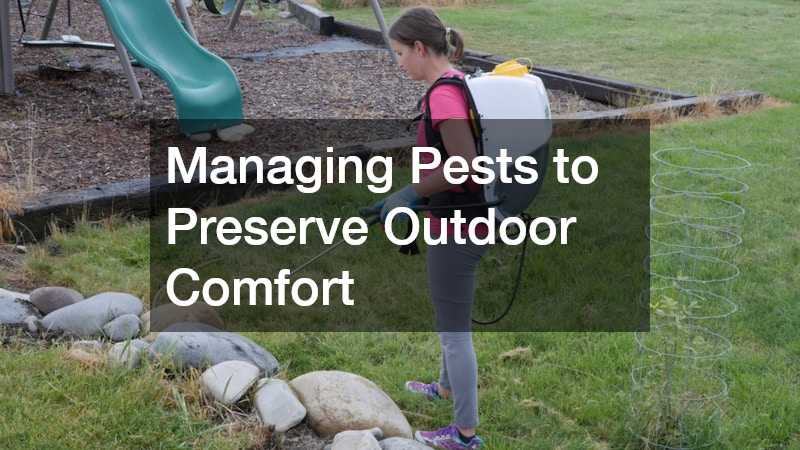
Pest management is an essential yet often underestimated element of creating a backyard that adds value. Insects and rodents can quickly undermine the enjoyment and usability of outdoor spaces, making effective control a priority for homeowners and buyers alike.
Working with local exterminators helps address common pest issues before they escalate. Regular inspections and treatments reduce the presence of mosquitoes, ants, and other insects that interfere with outdoor activities. A pest-free yard is more comfortable and inviting, increasing its appeal.
Rodent concerns require specialized attention. Services offering local rodent removal protect gardens, structures, and landscaping from damage. Rodents can undermine hardscaping, chew through materials, and create health concerns—all factors that buyers take seriously.
Comprehensive prevention often includes ongoing support from local pest control services, which focus on long-term solutions rather than temporary fixes. Preventive treatments, habitat modification, and monitoring ensure that pest issues remain under control throughout the year. A well-managed yard communicates care, hygiene, and attention to detail. When creating a backyard with value in mind, pest management supports both comfort and property protection. Buyers are far more likely to invest in homes where outdoor spaces feel safe, usable, and well-maintained, reinforcing the overall value of the property.
Bringing It All Together for Lasting Value
Ultimately, creating a backyard that adds value is about integrating design, function, and maintenance into a cohesive whole. Each improvement—from layout and structure to lighting, drainage, and pest management—contributes to a space that feels intentional and enduring. By approaching creating a backyard with a long-term perspective, homeowners enhance both daily enjoyment and future resale potential.
Thoughtful planning ensures that upgrades complement one another rather than compete for attention. Balanced design choices appeal to a wide range of buyers, while practical features reduce future maintenance concerns. These qualities collectively elevate the property’s market position.
Creating a backyard is not about chasing trends but about investing in features that offer durability, usability, and broad appeal. When executed carefully, the result is an outdoor space that feels like a natural extension of the home—one that enhances lifestyle today while adding measurable value tomorrow.