Recovering a house after an unexpected disaster is one of the most overwhelming challenges a family can experience. Beyond the immediate shock, homeowners face the daunting task of sorting through debris, cleaning affected areas, and restoring order to a disrupted life. A systematic approach helps break down this monumental effort into manageable phases, ensuring that safety always remains the top priority while working toward a tidy and comfortable environment once again.
Initial Assessment and Safety First
Securing Official Clearance
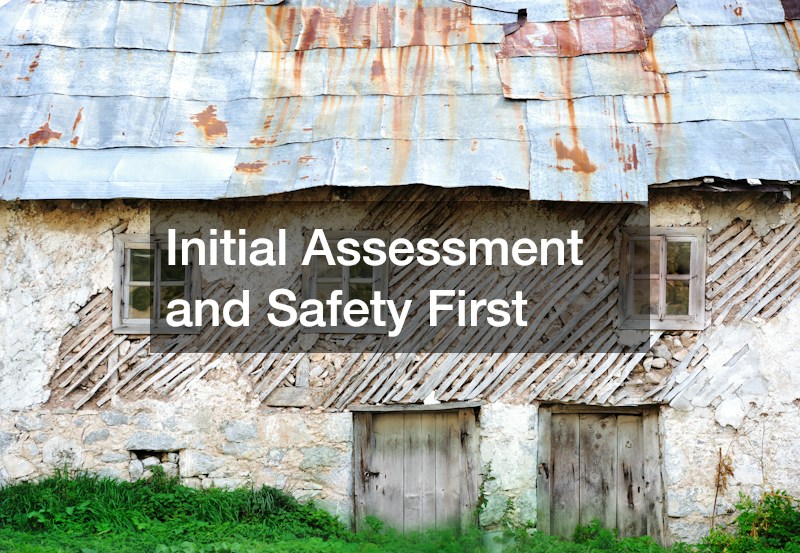
Before stepping inside a property that has suffered structural damage, confirm that local authorities or emergency responders have declared the building safe to enter. Hidden structural hazards, compromised electrical wiring, or gas leaks can pose serious threats long after the initial event has passed. Navigating the immediate aftermath of property destruction involves methodical evaluation rather than hasty actions.
- Verify that power and gas lines have been inspected or shut off by qualified utility workers before turning on lights or appliances.
- Wear appropriate personal protective equipment, including heavy-duty boots, N95 masks, structural helmets, and durable work gloves.
- Document all visible damage with high-resolution photographs and clear videos for insurance claims prior to moving, cleaning, or throwing away any items.
Entering a compromised structure without clear approval risks secondary injuries from collapsing ceilings, buckled subflooring, or exposed utility hazards. Take time to visually survey the perimeter of the residence, looking for sagging rooflines, cracked foundations, leaning exterior walls, or downed power lines. If any structural component appears distorted, wait for a licensed inspector to conduct a thorough evaluation before stepping across the threshold.
Contacting Professional Support Teams
Navigating major home rehabilitation requires specialized expertise, industrial equipment, and dedicated labor. Reaching out to a trusted local restoration company early in the process ensures that structural elements are handled appropriately and that deep cleanup efforts begin before secondary damage, such as aggressive mold spores or structural rot, takes root.
Professional recovery teams bring specialized instruments like thermal sensors, industrial air scrubbers, and heavy-duty extraction pumps that far exceed the capabilities of consumer equipment. Establishing contact within the first twenty-four to forty-eight hours significantly increases the likelihood of salvaging structural materials, personal keepsakes, and expensive interior finishes. These specialists can also coordinate directly with insurance adjusters, relieving considerable administrative burden from homeowners during a high-stress period.
Establishing a Command Center and Communication Hub
During the first phase of property recovery, chaos can easily take over if there is no designated operational hub. Designate a clean, dry, and safe area outside the main structure—such as a clean garage corner, a temporary utility trailer, or a quiet space at a relative’s house—to serve as your recovery headquarters.
Keep all essential documentation, insurance papers, contractor contact lists, and personal identification in a weatherproof container at this central spot. Maintaining clear channels of communication between family members, restoration experts, and claims adjusters ensures that decisions are made efficiently and that safety protocols are uniformly followed by everyone on site.
Addressing Severe Water and Moisture Issues
Managing Water Extraction and Drying
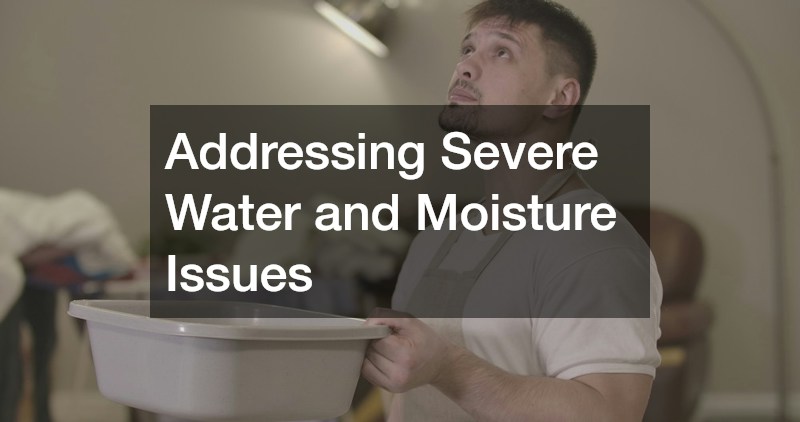
When dealing with residual water from storm surges, burst pipes, or firefighter efforts, rapid response is crucial. Engaging an experienced water damage restoration service allows for industrial-grade pumps, commercial dehumidifiers, and high-velocity air movers to be deployed immediately, drawing moisture out of deep subfloors, insulation, and interior drywall.
- Remove standing water using commercial wet/dry vacuums or professional extraction tools as quickly as possible.
- Open undamaged windows and utilize high-powered fans to facilitate continuous, rapid airflow across damp interior surfaces.
- Lift wet carpeting and underlying padding to determine whether subflooring can be salvaged or requires complete structural replacement.
Moisture trapped behind baseboards and inside wall cavities creates ideal breeding conditions for harmful microbial growth. Professional drying protocols involve monitoring relative humidity levels, ambient temperature, and moisture content across wood and drywall to ensure complete structural desiccation.
Seeking Professional Water Mitigation Services
For extensive flooding, relying on certified water restoration companies can dramatically reduce the long-term risk of structural decay and hazardous biological growth. Professional flood damage restoration experts utilize thermal imaging cameras and moisture meters to track hidden pockets of water trapped inside wall cavities and beneath hardwood floors.
Unchecked water migration can silently weaken load-bearing studs, warp subfloors, and ruin electrical systems within walls. Specialized technicians utilize targeted heat drying systems, negative air machines, and antimicrobial treatments to stabilize interior environments. Their comprehensive approach ensures that hidden moisture is thoroughly eliminated, preventing long-term structural degradation that could compromise the integrity of the home years after the event.
Securing Long-Term Water Protection
Once immediate moisture is removed, focus shifts to preventative steps to ensure future stability. Implementing proper waterproofing measures around foundations, basements, and exterior walls builds a resilient defense against future heavy rains, seasonal runoff, or sudden flash floods.
Effective exterior protection involves installing French drains, sealing foundation cracks with elastomeric compounds, and ensuring correct soil slope away from exterior walls. Indoors, sump pump installations with battery backups and vapor barriers in crawlspaces add vital layers of defense. Taking these proactive steps transforms a vulnerable property into a well-protected home capable of withstanding heavy weather.
Sanitizing and Decontaminating Affected Areas
Water intrusion is rarely clean; floodwaters often carry mud, sewage, pesticides, and microbial pollutants into living spaces. Thorough sanitation is essential to render the home safe for human occupancy.
All hard, non-porous surfaces must be thoroughly scrubbed with heavy-duty detergents and sanitized with EPA-approved disinfectants. Porous materials like drywall, ceiling tiles, and fiberglass insulation that have absorbed floodwater generally must be removed and discarded. Taking aggressive steps to sanitize floors, studs, and concrete slabs ensures that residual pathogens are completely neutralized.
Overcoming Smoke, Soot, and Fire Impacts

Evaluating Structural Thermal Impact
Experiencing a fire requires careful evaluation of both visible soot and hidden structural damage caused by intense heat. Identifying the true scope of fire damage requires assessing load-bearing beams, roof trusses, floor joists, and wall frames to ensure the physical home remains sound during the cleanup phase.
Extreme heat can warp steel fasteners, char wooden support elements, and weaken concrete foundations. Before starting interior cleaning, structural engineers or licensed contractors must verify that the framing has maintained its integrity. Attempting to clean or rebuild inside a home with compromised structural framing poses extreme risks to workers and family members alike.
Handling Smoke Odor and Surface Soot
Removing fine particulate matter and stubborn smoke odor demands tailored cleaning techniques rather than standard household dusting. Utilizing specialized fire damage cleaning techniques—such as dry chemical sponges, HEPA-filtered vacuums, and specialized degreasers—prevents soot from being rubbed deeper into porous surfaces like drywall, plaster, and natural wood trim.
Soot contains acidic, corrosive byproducts that can permanently etch metals, stain glass, and discolor synthetic finishes if left untreated. Cleaning procedures must always begin with vacuuming loose particles from surfaces without making contact, followed by targeted chemical wiping. Avoid water-based cleaners on raw wood or unpainted drywall initially, as liquid can drive oily soot particles deeper into the substrate.
Partnering with Specialized Recovery Teams
Complex fire scenarios often demand deep cleaning equipment that goes far beyond typical household tools. Relying on a professional fire damage restoration service gives homeowners access to thermal fogging, hydroxyl generators, and ozone treatment, which eliminate stubborn smoke molecules trapped deep within structural materials.
Smoke particles penetrate microscopic pores in framing lumber, brickwork, and concrete block. Standard air fresheners or surface sprays only mask these odors temporarily. Professional restoration technicians seal affected structural framing with specialized deodorizing primers after thermal treatment, ensuring that lingering smoke smells do not reappear during warm or humid seasons.
Reinforcing Home Defense and Prevention
Rebuilding a home provides a valuable opportunity to review and upgrade essential household protections. Upgrading household fire safety equipment—such as installing interconnected smoke detectors, keeping working fire extinguishers on every floor, and planning clear escape routes—offers long-term peace of mind.
Modern home safety upgrades include installing residential fire sprinkler systems, fitting flame-resistant building materials during reconstruction, and replacing standard glass windows with tempered panes near vulnerable exterior zones. Integrating smart home smoke and heat sensors that alert emergency services automatically adds an extra layer of protection, keeping your home safer than it was before the disaster.
Salvaging Textiles, Furnishings, and Keepsakes
Textiles exposed to smoke and soot require specialized care to restore without setting stains or lingering odors. Items like clothing, drapes, bedding, and soft furnishings should be separated based on damage levels and material composition.
- Send smoke-damaged fabrics to specialized dry cleaners who utilize ozone chambers and specialized solvent washes.
- Vacuum upholstered furniture using HEPA equipment before attempting any spot cleaning or professional steam extraction.
- Store delicate heirloom textiles in acid-free paper within climate-controlled environments once they are thoroughly cleaned.
Non-porous heirlooms, photo frames, and ceramic items can often be salvaged through gentle cleaning using mild detergents and soft microfiber cloths. Taking a patient, careful approach to sorting and restoring sentimental objects helps preserve family history while rebuilding the physical environment.
Exterior Repairs and Structural Integrity
Roof and Exterior Envelope Repairs
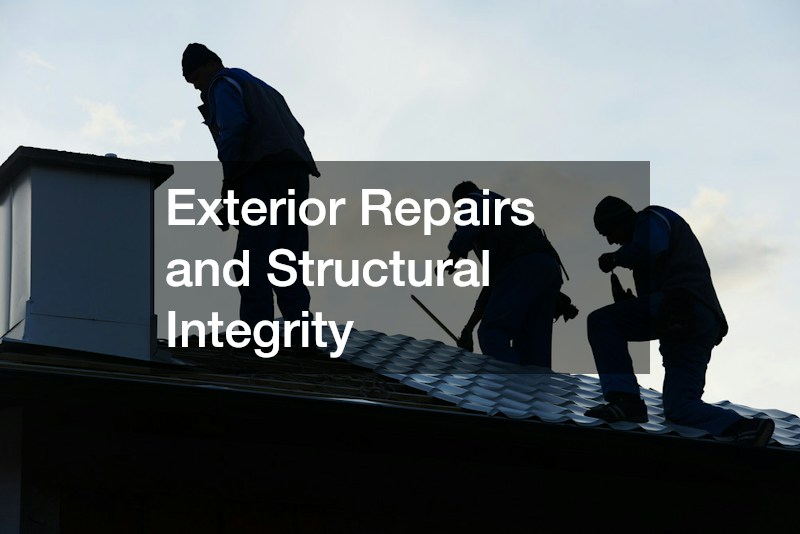
Storms and high winds frequently compromise the protective shell of a home. Consulting certified roofing contractors ensures that damaged shingles, flashing, underlayment, and roof decking are repaired promptly to block future precipitation from entering the home during interior remediation.
A compromised roof envelope allows water to cascade into attics, ceiling cavities, and wall structures, undermining all interior cleanup efforts. Professional roofers perform detailed inspections to identify subtle punctures, lifted seams, and damaged perimeter flashing. Securing temporary tarps over damaged areas immediately after a storm provides critical shelter, giving teams time to perform permanent structural repairs safely.
Inspecting and Repairing Exterior Siding and Windows
High winds, flying debris, and extreme heat can shatter window glass, warp exterior siding, and compromise window frames. Re-establishing a weather-tight exterior building envelope is essential before investing time in interior finishing and organization.
Inspect vinyl, wood, or fiber-cement siding for cracks, missing panels, or thermal distortion caused by nearby flames. Replace broken window panes immediately and re-caulk around all window and door frames to seal against water ingress and air leaks. A tight, protected exterior envelope prevents moisture intrusion and helps regulate interior temperatures during ongoing drying and cleaning operations.
Managing Landscaping and Drainage Channels
The immediate area around your house plays a critical role in directing water away from structural foundations. Disasters like severe storms or mudslides can alter land contours, clog drainage channels, and uproot large trees, creating secondary hazards for the home.
- Clear fallen tree limbs, leaves, and mud deposits away from basement windows, air conditioning units, and exterior walls.
- Regrade soil adjacent to the foundation to maintain a steady drop of at least six inches over the first ten feet.
- Clear swales, storm drains, and catch basins around the property line to accommodate heavy rainfall runoff.
Proper land management around the home minimizes hydrostatic pressure against basement walls and prevents exterior flooding from compromising foundation footings. Engaging professional arborists to evaluate damaged trees ensures that unstable branches or leaning trunks are safely removed before they threaten the home.
Sorting, Cleaning, and Reclaiming Your Space
Methodical Room-by-Room Cleanup
Tackling the entire house all at once quickly leads to emotional and physical exhaustion. Focus on restoring one room at a time to create a “safe zone”—a clean, organized space where your family can rest and recharge amid the ongoing recovery process.
- Sort items into three clear categories: salvageable, discard, and requires professional restoration.
- Sanitize non-porous items with warm water and disinfectant cleaners before organizing them into clear storage bins.
- Maintain clear pathways in hallways and entryways to allow easy movement of construction materials, tools, and cleaning gear.
Starting with a bedroom or a small living area provides an immediate sense of accomplishment and offers a quiet retreat from the construction work underway in the rest of the house. Keeping this designated zone completely clean, organized, and free of construction debris helps maintain family morale and reduces daily stress throughout the multi-week restoration journey.
Establishing Storage Systems and Organization Solutions
As rooms are cleaned and repaired, implementing smart storage systems prevents clutter from accumulating again. Clear plastic totes, labeled shelving units, and modular storage cabinets help keep belongings organized while ongoing repairs continue in neighboring spaces.
Group similar items together—such as tools, seasonal clothing, emergency supplies, and important documents—and label every container clearly on multiple sides. Raising storage containers off basement floors using heavy-duty metal or plastic shelving provides an extra cushion of safety against minor water leaks or unexpected floor dampness in the future.
Air Quality Improvement and Final Deep Cleaning
Before moving furniture back into restored spaces, focus on thoroughly purifying the indoor air. Air ducts, HVAC systems, and ventilation units often trap high concentrations of dust, soot, and mold spores during a major home recovery project.
Engage HVAC specialists to clean air ducts, replace all filtration media with high-efficiency MERV-rated filters, and sanitize heating and cooling coils. Running continuous HEPA air purifiers in occupied spaces removes airborne particulates, ensuring that your restored home environment is fresh, clean, and healthy for every member of the family.
Restoring a home after a major disaster takes patience, structured planning, and support from experienced professionals. By addressing safety first, mitigating water and fire impacts promptly, and tackling the tidying process step-by-step, you can successfully transition your space back into a safe, organized, and welcoming family home.