Waste management is an essential service in both urban and rural areas. Garbage removal plays a pivotal role in ensuring the cleanliness and health of our environment. From regular maintenance to large-scale projects, understanding how garbage removal works can help individuals make informed decisions.
This article explores the intricacies involved in garbage removal, examining the options available to consumers. By the end of this piece, you’ll be equipped with the knowledge to choose the best waste disposal solutions for your needs.
Garbage removal is more than just a weekly chore – it encompasses various processes that ensure safe and effective waste disposal. Whether it’s organic waste, recyclables, or hazardous materials, different types of waste require specific disposal methods. Modern waste management practices involve sorting and treatment at various stages to minimize environmental impact. Effective garbage removal reduces pollution, contributes to resource recovery, and upholds public health standards. Understanding these practices is critical as we strive for sustainable living.
As our society advances, the complexity of garbage removal increases. With a growing population, waste generation is expected to rise, thus enhancing the demand for efficient removal systems. This introduces a challenge for waste management systems that must evolve to be more cost-effective and environmentally friendly. Over the years, technological advancements have contributed significantly to improvements in waste processing and disposal. However, there remains a need for further innovation in sustainable waste management strategies to handle the ever-increasing assortment of waste materials.
The Traditional Waste Removal System
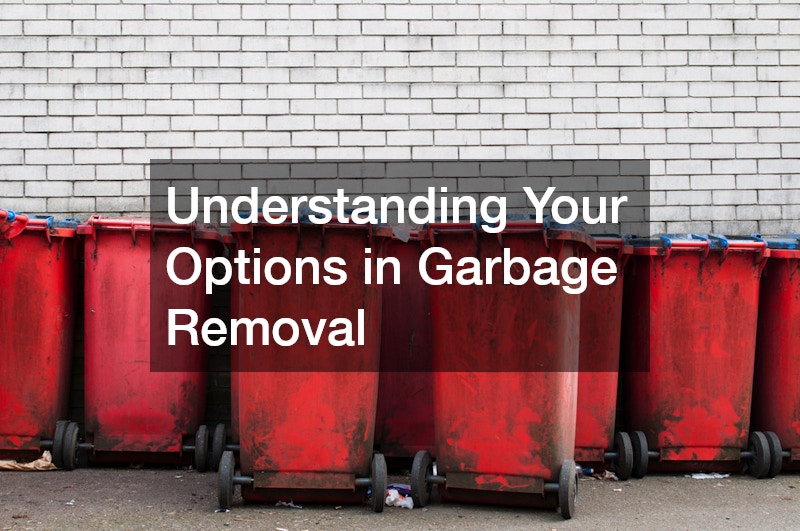
Traditionally, garbage removal has been managed by municipal services, which provide scheduled kerbside pickups. This system includes a network of waste collection vehicles responsible for removing residential and commercial waste. Kerbside collection plays a crucial role in the systematic elimination of household trash. It ensures that waste is removed promptly, thereby reducing the risk of disease transmission caused by refuse accumulation. Although effective, traditional methods come with their challenges and limitations.
One notable challenge is the inefficiency in processing mixed waste streams. When recyclables and non-recyclables are not sorted at the source, it creates additional workload during the waste processing phase. Manual sorting at facilities becomes labor-intensive and costly. Additionally, not all materials are catered for under traditional systems, leading to improper disposal practices. Consequently, fostering community awareness about responsible disposal practices is vital for enhancing the efficiency of traditional waste removal systems.
Moreover, traditional garbage removal systems often face infrastructure-related limitations. Urban areas may experience strained resources due to dense population, while in rural settings, long distances pose logistical challenges. The infrastructure itself requires continual updates to accommodate new waste categories, such as electronic waste or hazardous materials. As environmental concerns grow, the need for upgrading and maintaining these systems becomes an urgent priority. Stakeholders must examine how traditional methods can be integrated with modern solutions to build a comprehensive waste management system.
Advanced Garbage Removal Techniques
In recent years, advanced techniques in garbage removal have emerged to meet the growing demands of waste management. These include methods like composting, recycling, and waste-to-energy processes that aim to convert waste into valuable resources. Composting, for instance, turns organic waste into rich nutrient mulch, promoting circular economy principles. Recycling facilities focus on recovering materials for new product manufacturing, reducing the burden on natural resources. Transforming waste into energy provides dual benefits by reducing landfill usage and producing alternative energy.
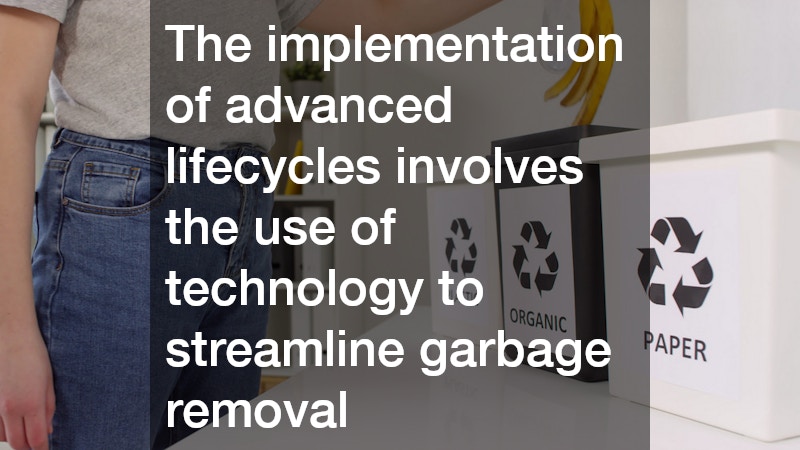
The implementation of advanced lifecycles involves the use of technology to streamline garbage removal. Efficient sorting systems utilizing automated sensors and AI can identify and separate waste types more accurately and rapidly. These advancements reduce the amount of waste sent to landfills and improve the quality of recyclables collected. Furthermore, digital platforms now enable waste tracking, allowing residents to monitor their waste generation habits. Integrating these approaches leads to more strategic resource management and environmental conservation.
However, adopting advanced garbage removal methods requires significant investment and public buy-in. Establishing cutting-edge infrastructures involves both financial and educational efforts. Governments and corporations must collaborate to create incentives for adopting modern waste disposal techniques. Public awareness campaigns are equally important to encourage community participation in effective waste separation and recycling initiatives. By working collectively, societies can advance towards a sustainable future with superior waste management systems.
Choosing the Right Garbage Removal Option
Selecting the appropriate garbage removal option depends on several factors, including household size, types of waste generated, and environmental goals. For example, households with a high output of organic waste might benefit significantly from home composting solutions. Urban residents could consider private waste removal services that offer customizable pick-up schedules. Commercial entities, on the other hand, might need industrial-scale waste management services, including waste audits and specialized disposal containers. Understanding your specific needs ensures a more tailored and efficient garbage removal approach.
As individuals, staying informed and proactive in our waste disposal practices strengthens community efforts to maintain a clean and healthy environment. Let’s advocate for policies that support sustainable waste management and contribute to campaigns promoting responsible waste handling. By harnessing the potential of modern techniques and integrating them with everyday practices, we can ensure that garbage removal continues to evolve for the benefit of future generations. Taking action today establishes a foundation for cleaner, more sustainable living environments for all.