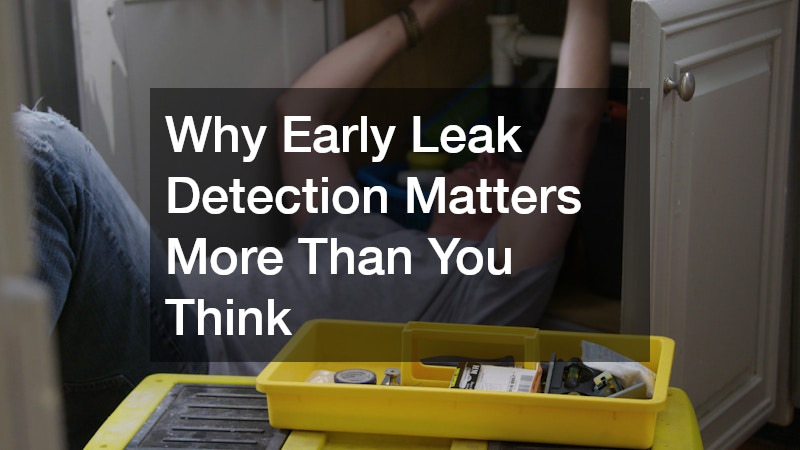
Water has a quiet way of causing damage. A slow drip behind a wall or a hidden pipe issue under a foundation can go unnoticed for weeks or even months. By the time visible signs appear, the repair bill is often much higher than expected. This is where leak detection becomes an essential part of responsible property care.
The Hidden Cost of Ignoring Minor Leaks
A small leak may not seem urgent at first glance. Many homeowners assume a slight increase in their water bill or a faint musty smell is nothing serious.
Over time, these subtle warning signs can turn into structural damage, mold growth, and wasted resources.
Water intrusion weakens wood, corrodes metal, and breaks down materials that are meant to last for decades. Even a pinhole leak in a pipe can release gallons of water over time. Without proper leak detection, these issues remain out of sight and continue to worsen behind walls, beneath floors, or underground.
How Modern Leak Detection Works
Leak detection has come a long way from guesswork and invasive inspections. Today’s professionals rely on advanced tools that allow them to pinpoint the exact source of a leak without tearing apart large sections of a home or building.
Acoustic listening devices can identify the sound of water escaping from pipes. Infrared cameras detect temperature changes caused by moisture buildup. Pressure testing reveals inconsistencies within plumbing systems. These methods allow technicians to locate problems quickly and accurately, saving both time and money.
Common Places Leaks Tend to Hide
Leaks often develop in areas that are not part of everyday visibility. Pipes behind walls are a common source, especially in older homes where materials may have worn down over time. Slab leaks occur beneath the foundation and can be particularly challenging to detect without professional equipment.
Outdoor systems are another frequent culprit. Irrigation lines, hose connections, and underground pipes can develop cracks or loose fittings. Since these areas are rarely inspected closely, water can escape for long periods before anyone notices.
Appliances such as water heaters, washing machines, and dishwashers can also contribute to hidden leaks. A slow connection issue or worn seal may release small amounts of water that gradually lead to damage.
Early Detection Saves More Than Money
The financial impact of a leak is often what gets attention, but the benefits of early leak detection go beyond cost savings. Preventing water damage helps maintain the structural integrity of a home. It also reduces the risk of mold, which can affect indoor air quality and lead to health concerns.
Water conservation is another important factor. Wasted water from undetected leaks adds up quickly, especially in regions where water resources are closely managed. Identifying and fixing leaks early supports more sustainable usage.
When to Call for Professional Help
Some leaks are easy to spot, such as a dripping faucet or a visible pipe issue under a sink. Others require a trained eye and specialized tools. Signs like unexplained spikes in water bills, damp spots on walls or ceilings, reduced water pressure, or the sound of running water when fixtures are off should not be ignored.
Professional leak detection services provide a clear answer when something feels off but the source is not obvious. A timely inspection can prevent a small issue from becoming a major repair project.
A Smarter Approach to Property Maintenance
Leak detection is no longer something to consider only after a problem appears. It has become a proactive step in maintaining a safe and efficient home. Regular inspections and attention to subtle warning signs can make a significant difference in long term property health.
By addressing leaks early and relying on modern detection methods, homeowners can avoid unnecessary stress and protect their investment. Sometimes, the smallest drip is the first sign that something bigger needs attention.